


The Development Bank of Southern Africa (DBSA) has received a long-term foreign-currency issuer rating upgrade from Moody’s to Ba2 from Ba3. The Bank’s standalone assessment has also been upgraded to ba3 from b1, and the long-term national scale issuer rating to Aa2.za from Aa3.za. The upgrade reflects the DBSA’s improved funding and liquidity profile, sustainably strong capital buffers, and the ability to maintain low levels of non-performing loans of around 3.8% of gross loans despite high asset risks and a fragile operating environment.
The Bank’s confirmed stable outlook acknowledges the strong capital buffers that cushion assets from risks and pressures of the current low economic growth environment and is in line with the stable outlook on the sovereign rating, given that the DBSA is 100% owned by the government. As such, the Bank could be upgraded further if the operating environment improves, the government is upgraded, the Bank’s funding profile improves or its credit concentration improves.
This rating upgrade also confirms that the DBSA is a high-performing state-owned entity. For over 42 years, the DBSA has championed African infrastructure and capacity building, collaborating with continental and global partners to fulfil its mandate. Driving economic transformation and access is a critical part of the DBSA’s mandate. Over the years the Bank has demonstrated strong, sustainable growth while effectively delivering on its mandate. As at the end of September 2025, the Bank had supported infrastructure development to the tune of R43 billion – with about R11.1 billion in loans and equities; R2.9 billion of funds catalysed; R2.3 billion of infrastructure unlocked to municipalities; R24.5 billion of key projects enabled and R2.4 billion of infrastructure delivered.
This level of infrastructure support has not only contributed to the national capital formation aggregates but has also enabled the Bank to facilitate more than 12 000 jobs, support Black entities and place 40% of the total procurement spending with B-BBEE entities, while maintaining proper governance and risk management matrices.
Our institutional strength is anchored on the robust governance framework and rigorous control mechanisms. While our people remain our most valued asset, the DBSA is equally defined by its uncompromising commitment to rigorous governance. As a leading African Development Finance Institution (DFI), we maintain a robust framework aligned with international best practices to ensure transparency and accountability. This system is directed by our Board of Directors and supported by specialized committees, all operating under a strict Code of Ethics. Our governance processes have proven their durability under scrutiny, and we continue to evolve these structures to manage risks and support sustainable infrastructure development and build prosperity across the continent.
The DBSA’s work involves technical and financial partnerships that happen behind the scenes in the Bank’s role as a financier, advisor and implementor – meaning that at times the general public’s awareness of the Bank’s specific activities could be limited. Individuals may benefit from the outcomes of DBSA-supported projects such as roads, schools, clinics and so on, without necessarily knowing the Bank was involved.
The DBSA also finances and develops various growth-inducing mega infrastructure projects. These are large-scale, complex projects designed to drive long-term economic development and transform the economy and societies where these projects are located. These types of projects, generally falling under water and sanitation, transport, energy, and information and communications technologies, education, health and social housing sectors, are at the center of creating jobs, modernising infrastructure and improving access. There is an estimated 12.4 million in South Africa that are perfectly capable and willing people who cannot find jobs. This represents the primary challenge currently facing our nation, the resolution of which necessitates more investment.
Some of the mega projects in which the DBSA is engaged in building, often part of public investment, include the reconstruction of parliament in Cape Town valued at R4.6 billion; the construction of Siloam and the Limpopo Academic mega hospitals in Limpopo for a combined R6.8 billion; the Rooiwal Waste Water Treatment Works in Hammanskraal valued at R633 million and monitoring the Northern Cape Accelerated Housing Delivery in Kimberley and Upington valued at R1 billion.
The DBSA’s rating upgrade reflects its financial resilience and crucial role in infrastructure development in the South Africa and the rest of the African continent. The DBSA is driving transformative infrastructure development projects across the network sectors to address the investment, growth and unemployment challenges.
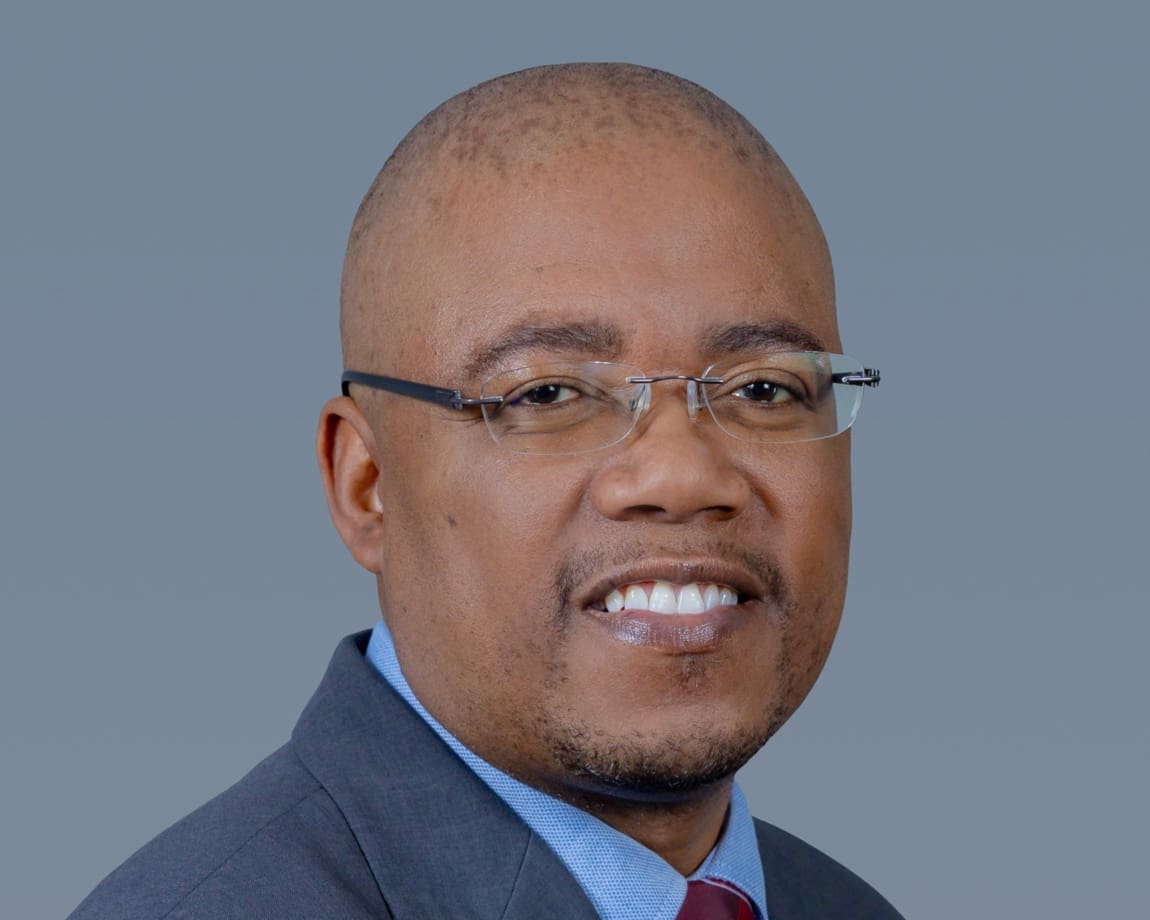
- Zeph Nhleko, Chief Economist and Group Executive: Strategy and Sustainability at the DBSA
