


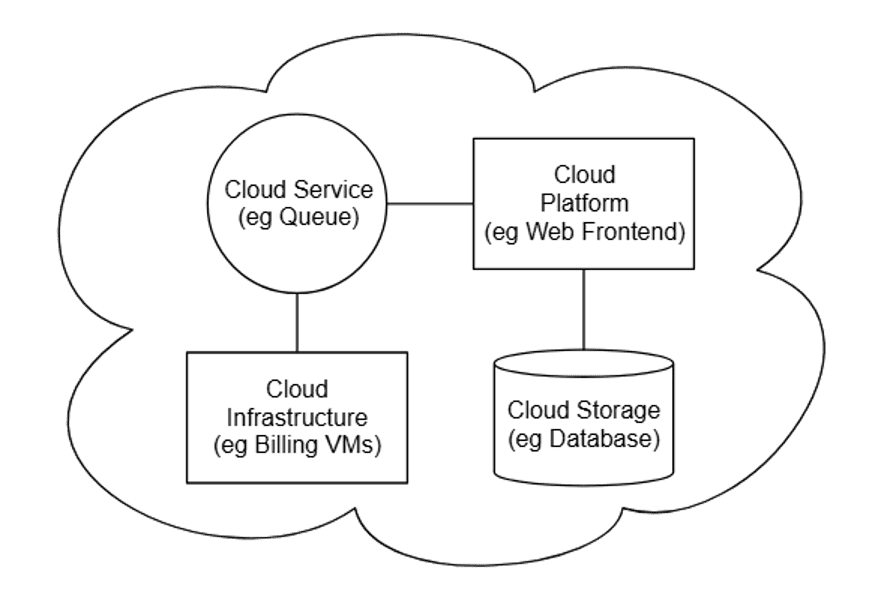
Rapid growth pressurizes technology systems to keep pace with. As customer numbers, transactions and product lines increase, infrastructure intended for a smaller operation can become slow, unreliable and expensive to maintain. Cloud architecture gives retail and fintech businesses the flexibility to handle growth without continually rebuilding their technology infrastructures.
Capacity that adjusts to demand
Retail and financial platforms are rarely in steady demand. For instance, a marketing campaign payday product launch or season sale may result in a quick jump in website visitor and payment activity.
Analogue solutions force companies to have their infrastructure plans and order equipment beforehand. Unfortunately, they end up with too much spare capacity during quiet periods, but during peak demand they face resource shortages.
By contrast, cloud services adjust computing power based on actual usage. This ability to scale gives companies the power to keep their app running as it should while mainly only paying for the capacity they actually used.
Leads to quicker product delivery
Business expansion can often happen quickly. For example, a retailer may require further payment methods, delivery options or customer loyalty features. A fintech business may require new lending products, fraud safeguards or account-management systems.
A modular cloud architecture enables development teams to create/update these independent services without releasing the whole platform. Cloud services for application deployment, analytics, authentication, and databases help minimize the infrastructure that teams need to take care of. This approach reduces time to market and the difficulty of testing products before mass implementation.
Reliable access to data
Fast-expanding businesses can access data from their websites, mobile apps, payment solutions, customer-help channels, and physical stores. Obtaining a complete picture of customers and business activities from siloed data is challenging.
Cloud data platforms gather this data and make it available to authorised teams and applications. Retailers could deploy this data to track inventory, predict demand and provide individually tailored offers. Fintech companies could use it for transaction monitoring, credit analysis and anti-fraud applications.
Resilience and security
System-level outages can inhibit sales, delay payments, and may compromise existing customer goodwill. Cloud architecture enables faster, easier distribution of applications and data across multiple availability zones or regions.
Third-party cloud provider services also include utilities for encryption, identity management, intrusion monitoring and activity logging, and data and service backups. However, access controls, application security, compliance and incident response all still have to be managed.
Finally, controlling the cost of growth
Cloud services essentially replace most of the initial cost of physical infrastructure with costs based on usage. As a result, small, growing companies can access enterprise-level technology without the burden of buying and running their own data centre.
However, flexible consumption can create unnecessary spending when resources are poorly configured or left running. Cost monitoring, automated shutdown policies and regular capacity reviews are therefore essential.
Cloud architecture supports rapid scaling when it is designed around measurable business needs. Its main value lies in giving retail and fintech businesses the capacity, speed and resilience to grow without allowing infrastructure limitations to dictate the pace of expansion.


