
Close Menu
  • Homepage
  • News
  • Cloud & AI
  • ECommerce
  • Entertainment
  • Finance
  • Opinion
  • Podcast
  • Contact

Subscribe to Updates

Get the latest technology news from TechFinancials News about FinTech, Tech, Business, Telecoms and Connected Life.

What's Hot

Digitap ($TAP) Crushes NexChain with Real Banking Utility: Best Crypto to Buy in 2026

2026-02-07

Football Fans Can Share Their ‘Super Bowl Spread’  With The Chance To Win an NFL Jersey

2026-02-07

Why Traditional Banks Need Mobile Money Solutions to Survive the Next 5 Years

2026-02-07
Facebook X (Twitter) Instagram
Trending
  • Digitap ($TAP) Crushes NexChain with Real Banking Utility: Best Crypto to Buy in 2026
Facebook X (Twitter) Instagram YouTube LinkedIn WhatsApp RSS
TechFinancials
  • Homepage
  • News
  • Cloud & AI
  • ECommerce
  • Entertainment
  • Finance
  • Opinion
  • Podcast
  • Contact
TechFinancials
Home»Cloud»How Biometric Payments Are Changing Daily Transactions
Cloud

How Biometric Payments Are Changing Daily Transactions

Thurgood MashianeBy Thurgood Mashiane2025-06-24Updated:2025-06-24No Comments5 Mins Read
Share Facebook Twitter Pinterest LinkedIn Tumblr Email
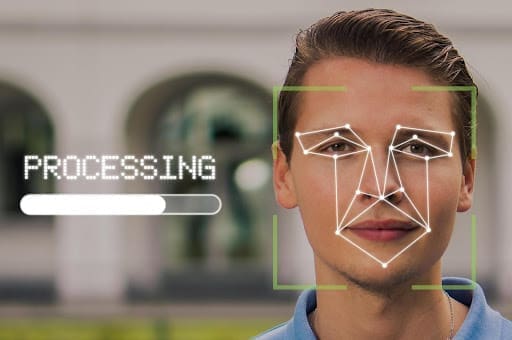
Biometric payments
Biometric payments. Source: Pixabay
Share
Facebook Twitter LinkedIn Pinterest Email Copy Link

There’s a certain clumsiness to how we still pay for things. You’re standing in line, juggling your phone, your wallet, trying to remember the right PIN. Or worse, waiting behind someone else who’s doing the same. 

Add to that the constant worry about fraud – cards being skimmed, accounts hacked, passwords leaked, and it’s easy to see why more people are ready for something different.

Biometric payments are quietly becoming that something. Not in a flashy, sci-fi way, but in small, practical moments. A thumbprint here. A face scan there. You’ve probably already used them without thinking much about it.

And the best part? You don’t need to do anything new. Your body already knows the code.

From Fingerprints to Faces: The Tech Behind the Shift

Biometric payment technology relies on something simple: your body becomes your ID. Instead of typing a code, your fingerprint or face confirms who you are instantly. 

Here’s a closer look at how these systems function:

  • Fingerprint scanning works by reading the tiny ridges on your finger and matching them to what’s stored on your device.
  • Facial recognition, on the other hand, scans your face – usually with your phone’s camera, and checks it against a saved image to make sure it’s you.
  • Iris scanning, though less widespread, offers even higher precision for authentication.

Behind the scenes, biometric payments are powered by:

  • Secure chips built right into smartphones keep your biometric data safe.
  • Mobile apps like Apple Pay and Samsung Pay use your face or fingerprint to make logging in and paying quick and easy.
  • Tokenization, which replaces your actual card data with encrypted codes during transactions

What makes biometrics so appealing is that you don’t need to remember passwords or carry cash; your body becomes the key.

Biometrics in the Wild: Real-Life Daily Use Cases

Biometric payments are no longer just a glimpse into the future; they’re happening right now, including in South Africa. Thanks to a recent major upgrade by the Department of Home Affairs, the digital verification system that supports biometric ID checks is faster, more accurate, and more reliable than ever before. This system underpins not only government services (like verifying social grant recipients) but also powers the financial sector and private businesses to confirm identities securely using fingerprints and facial recognition.

You can already see biometric technology in use across different areas of daily life:

  • Government services
  • Banking and financial sector
  • Retail checkouts
  • Public sector integrations

These aren’t isolated examples; they show how biometric authentication is already becoming part of daily life in practical, visible ways.

Trust, Security, and What Consumers Still Worry About

Even with all the innovation, people have concerns – and rightly so.

What if my biometric data is hacked? Can it be changed like a password?

That’s the biggest fear. Unlike a password, you can’t “reset” your fingerprint. However, companies are aware of this and are working hard to:

  • Encrypt biometric data at the source
  • Store it locally on devices, rather than in vulnerable cloud servers
  • Use multi-factor authentication, pairing biometrics with another method (like a device token)

Beyond Shopping: Where Else Biometrics Matter

Biometric technology isn’t just about faster shopping. It’s also gaining traction in places you might not expect:

  • Hotels are testing fingerprint scans for check-ins, replacing ID cards.
  • Government services are using facial recognition to prevent identity fraud in benefits systems.
  • Banks and insurers are using biometrics to verify customers, especially as remote services grow.

And it’s not just shops and banks getting in on the trend. Entertainment platforms are picking it up too, though maybe not in ways you’d immediately notice. Whether you’re logging into a streaming service or playing an online game, more companies are starting to ask for biometric sign-ins – just a quick scan to get you in, without the hassle of passwords.

Even sites that offer online slots are beginning to use this kind of tech. It’s not just about making things easier. It helps confirm people are real, old enough, and not using multiple accounts. That way, it feels safer and more straightforward for everyone.

Crypto’s Role in the Biometric Ecosystem

Interestingly, cryptocurrency platforms are also exploring biometric security.

Take South Africa, for example. Experts suggest that aligning just one aspect of local crypto regulation with global standards could generate R540 million in additional tax revenue. As the country grapples with slow growth and high debt, digital assets – secured by biometrics – are being looked at not just as tools for personal finance but as drivers of national economic expansion.

It’s not a stretch to imagine a near future where buying crypto, logging into your digital wallet, and spending across borders will all require just a quick scan of your face.

Looking Ahead: What This Means for Everyday Users

Will wallets become obsolete? Not just yet.

As more phones, shops and apps start using biometrics, the way we pay is slowly changing. No more digging for your card or trying to remember a PIN. If you already use your face or fingerprint to unlock your phone, you’re pretty much used to it already. The more people trust it, and the better the tech gets, the more likely it is that paying this way will become completely normal. 

Biometric payments
Share. Facebook Twitter Pinterest LinkedIn Tumblr Email
Thurgood Mashiane

Related Posts

Why Traditional Banks Need Mobile Money Solutions to Survive the Next 5 Years

2026-02-07

What’s Stopping Sunny South Africa’s Solar Industry?

2026-02-02

Chery’s iCAUR Set To Launch In South Africa

2026-01-29

How South Africans Use Digital Catalogues To Fight Rising Food Prices

2025-12-16

eSIM Technology Is Transforming Mobile Connectivity in South Africa: Cost Savings, Digital Convenience, and Global Coverage

2025-12-13

Vodacom Business Connects SA’s Frontline Workforce

2025-12-11

Disney+ Debuts First Look Images From “The Testaments”

2025-12-10

Digitap vs. Remittix: Which Payment Token Claims the Best Crypto Presale Crown in 2025?

2025-12-10

FSCA Slaps Relocations Group With R12.6M Fine, 15-Year Debarment

2025-12-10
Leave A Reply Cancel Reply

DON'T MISS
Breaking News

Digitap ($TAP) Crushes NexChain with Real Banking Utility: Best Crypto to Buy in 2026

The crypto presale market in 2026 has seen dozens of projects compete for investor attention.…

Dutch Entrepreneurial Development Bank FMO Invests R340M In Lula To Expand SME funding In SA

2026-02-03

Paarl Mall Gets R270M Mega Upgrade

2026-02-02

Huawei Says The Next Wave Of Infrastructure Investment Must Include People, Not Only Platforms

2026-01-21
Stay In Touch
  • Facebook
  • Twitter
  • YouTube
  • LinkedIn
OUR PICKS

Vodacom Reports Robust Q3 Growth, Driven By Diversification And Strategic Moves

2026-02-04

South Africa’s First Institutional Rand Stablecoin, ZARU, Launches

2026-02-03

The EX60 Cross Country: Built For The “Go Anywhere” Attitude

2026-01-23

Mettus Launches Splendi App To Help Young South Africans Manage Their Credit Health

2026-01-22

Subscribe to Updates

Get the latest tech news from TechFinancials about telecoms, fintech and connected life.

About Us

TechFinancials delivers in-depth analysis of tech, digital revolution, fintech, e-commerce, digital banking and breaking tech news.

Facebook X (Twitter) Instagram YouTube LinkedIn WhatsApp Reddit RSS
Our Picks

Digitap ($TAP) Crushes NexChain with Real Banking Utility: Best Crypto to Buy in 2026

2026-02-07

Football Fans Can Share Their ‘Super Bowl Spread’  With The Chance To Win an NFL Jersey

2026-02-07

Why Traditional Banks Need Mobile Money Solutions to Survive the Next 5 Years

2026-02-07
Recent Posts
  • Digitap ($TAP) Crushes NexChain with Real Banking Utility: Best Crypto to Buy in 2026
  • Football Fans Can Share Their ‘Super Bowl Spread’  With The Chance To Win an NFL Jersey
  • Why Traditional Banks Need Mobile Money Solutions to Survive the Next 5 Years
  • Spotify Brings Audiobooks to South Africa
  • Anjouan Corporate Services Reshapes Cross-Border Brokerage Licensing Strategy for UAE-Focused Firms
TechFinancials
RSS Facebook X (Twitter) LinkedIn YouTube WhatsApp
  • Homepage
  • Newsletter
  • Contact
  • Advertise
  • Privacy Policy
  • About
© 2026 TechFinancials. Designed by TFS Media. TechFinancials brings you trusted, around-the-clock news on African tech, crypto, and finance. Our goal is to keep you informed in this fast-moving digital world. Now, the serious part (please read this): Trading is Risky: Buying and selling things like cryptocurrencies and CFDs is very risky. Because of leverage, you can lose your money much faster than you might expect. We Are Not Advisors: We are a news website. We do not provide investment, legal, or financial advice. Our content is for information and education only. Do Your Own Research: Never rely on a single source. Always conduct your own research before making any financial decision. A link to another company is not our stamp of approval. You Are Responsible: Your investments are your own. You could lose some or all of your money. Past performance does not predict future results. In short: We report the news. You make the decisions, and you take the risks. Please be careful.

Type above and press Enter to search. Press Esc to cancel.

Ad Blocker Enabled!
Ad Blocker Enabled!
Our website is made possible by displaying online advertisements to our visitors. Please support us by disabling your Ad Blocker.