


We often hear that money makes the world go round. While the stock market gets all the glory, there is a much quieter, yet significantly larger giant operating in the shadows. This is the Foreign Exchange, or FX, market. It is the place where national economies are constantly weighed against each other. It goes far beyond tourists swapping dollars for euros at an airport booth; this market is the actual engine room of global trade, making it possible to import electronics from Japan or ship coffee out of Brazil.
https://images.pexels.com/photos/7567522/pexels-photo-7567522.jpeg
How the Trade Actually Works
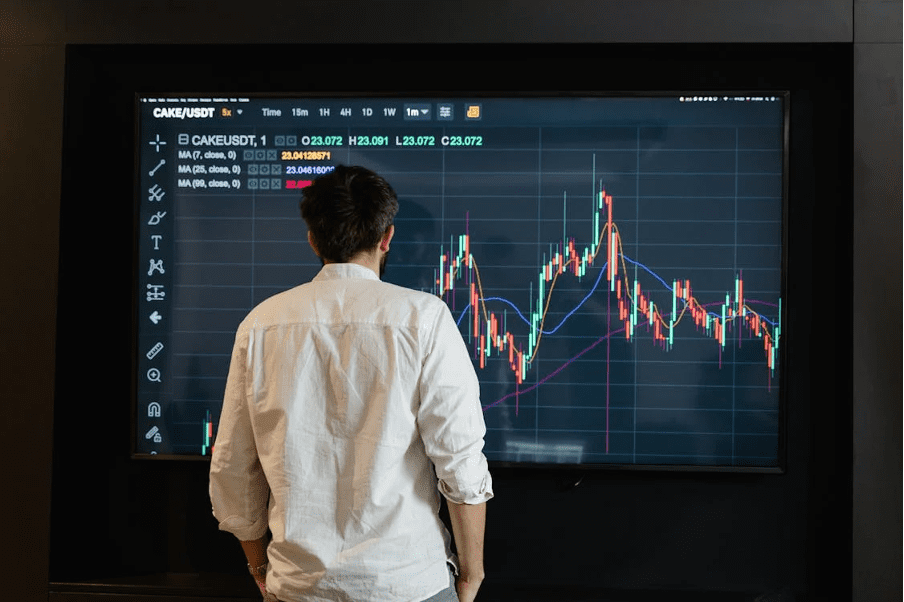
The core idea is deceptively simple: you are buying one currency and selling another at the exact same moment. Picture it like a tug-of-war between two different economies. Currencies are always listed in pairs, such as the GBP/USD. If you decide to buy this pair, you are effectively placing a bet that the British economy is going to perform better than the American one in the near future. Years ago, the average person couldn’t really touch this market. It was a club for the big players. Today, the digital world has leveled the playing field. Retail investors can tap into these massive money flows through online platforms. These brokers serve as the gateway to trade forex, offering the charts and lightning-fast execution speeds that used to belong exclusively to multinational banks.
What Actually Moves Prices?
Why would the Euro suddenly jump in value on a random Tuesday? The answer is usually a messy cocktail of hard data and human emotion. Prices don’t move in a vacuum; they react to the heartbeat of the world.
- The Central Bank Factor: When a major player like the Federal Reserve changes interest rates, the market pays attention. Generally, higher rates act like a magnet for foreign money seeking a better return, which pushes the currency’s value up.
- Economic Report Cards: Governments constantly release data on things like unemployment, factory output, and how confident consumers are feeling. Think of these numbers as a scoreboard. If a country reveals it added way more jobs than predicted, its currency usually gets a boost.
- Political Drama: If there is one thing markets hate, it is uncertainty. A surprise election result, a sudden trade war, or geopolitical tension can send investors running. In those moments, money usually flees from risky bets and piles into “safe havens” like the US Dollar or Gold.
Liquidity and the Double-Edged Sword of Leverage
What really sets FX apart from stocks or commodities is the sheer volume. The “liquidity” is so deep that, most of the time, you can jump in or out of a trade in milliseconds without moving the price against yourself. You aren’t waiting for a buyer to show up; the buyer is already there.
Then you have leverage. This mechanism allows traders to punch way above their weight class. With a relatively small deposit, called margin, a trader can control a position worth a lot more. It is a tool that cranks up the stakes. A tiny ripple in price can lead to a massive win for a leveraged trader, but if the tide turns against you, that same leverage can wipe out your deposit in the blink of an eye.
Surviving the Risk
The FX market is a complex, decentralized web that underpins the entire financial world. It offers huge potential for anyone willing to learn its rhythm, but it demands a healthy respect for volatility. Succeeding here isn’t just about guessing which way the chart will go; it is about surviving the risk when the unexpected happens.
