Close Menu
  • Homepage
  • News
  • Cloud & AI
  • ECommerce
  • Entertainment
  • Finance
  • Opinion
  • Podcast
  • Contact

Subscribe to Updates

Get the latest technology news from TechFinancials News about FinTech, Tech, Business, Telecoms and Connected Life.

What's Hot

Directing The Dual Workforce In The Age of AI Agents

2026-01-22

Pyrax Exposed: The Sinister Data Heist Targeting Crypto Investors

2026-01-22

Mettus Launches Splendi App To Help Young South Africans Manage Their Credit Health

2026-01-22
Facebook X (Twitter) Instagram
Trending
  • Directing The Dual Workforce In The Age of AI Agents
Facebook X (Twitter) Instagram YouTube LinkedIn WhatsApp RSS
TechFinancials
  • Homepage
  • News
  • Cloud & AI
  • ECommerce
  • Entertainment
  • Finance
  • Opinion
  • Podcast
  • Contact
TechFinancials
Home»COVID-19»Adjusting for Insurance 3.0
COVID-19

Adjusting for Insurance 3.0

Kumar UtpalBy Kumar Utpal2020-07-21No Comments5 Mins Read
Share Facebook Twitter Pinterest LinkedIn Tumblr Email
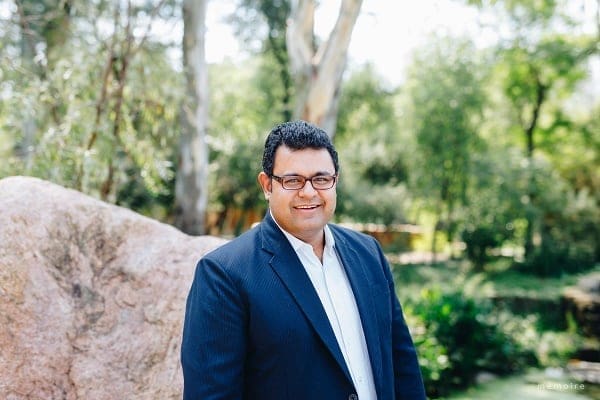
Kumar Uptal
Kumar Uptal
Share
Facebook Twitter LinkedIn Pinterest Email Copy Link

The insurance industry needs to get ready for ‘Insurance 3.0’ – the next stage of evolution for the industry to accommodate the changes brought on by our current pandemic. But wait, aren’t we still trying to reach level 2.0? Yes and no. The timetables have changed, and insurers need to adopt new approaches fast. Some of this is driven by technology, yet it is most necessary to change the culture and models that insurers rely on.

Let’s articulate what Insurance 2.0 is. The insurance game is changing, fast. I would compare several types of insurance to a camera. The camera still exists today, but the majority of cameras are embedded in smart devices. We now get a camera as part of a larger package. That has real consequences, such as Olympus announcing it won’t be making camera equipment anymore.

Products such as personal insurance are facing the same danger. Not only is it very feasible for non-insurance businesses to have insurance services, but many are already doing so. Today you can buy a phone with that camera, and insurance is often included. Sometimes that insurance comes through an agreement between the telco and underwriter, but over time those services will be internalised, and the underwriter will lose out.

Insurance 2.0 recognises the rapid disintermediation happening in the industry – not only with middlemen such as financial advisors but also to the companies that control those processes. This system has been further undermined by the arrival of Insurtech trailblazers who are using data, automation and a new approach to the insurance business model to change everything.

For example, internationally we’ve seen Lemonade Insurance, and local start-ups such as Naked Insurance, take different approaches including flat fees and giving unclaimed premiums to non-profits.

Naked Insurance app
Naked Insurance app

They do so while offering vastly lower prices and yet can honour their obligations whilst making a profit.

Insurance 2.0 is also customer centric. Any honest evaluation of the general insurance industry shows that customers are routinely marginalised instead of supported. It’s only been the lack of alternative models that have kept them from leaving. A 2.0 insurance business takes customer data and personalisation very seriously. The prominence of telematics on cars and fitness watches for customers demonstrates this trend.

Every insurance business should aspire to be a version 2.0. So, the bad news is that we’ve already got to move to Insurance 3.0. Once again, the COVID-19 pandemic has brought the future much closer to now than anyone had anticipated.

What do I mean? In the long-term future, an example of a massive threat to insurance companies is self-driving cars. They don’t have drivers to insure, and instead, the insurance will be on behalf of the software company or car company behind that vehicle. Given the tremendously low risk these vehicles are likely to pose, it will make sense that they run those insurance operations internally. Personal coverage for cars will plummet.

Yet this is already happening due to the pandemic. People are driving less, and many use ride-sharing services for quick trips. Something similar will occur around property and workplace liability insurance, simply because many people are no longer going to offices. You might hope that we will return to the old way of doing things, but I get the sense that won’t happen. Already I hear business leaders speak of lower rent, great productivity, and – if you can believe it – a drastic reduction in office politics. No, we’re not all jumping into our commutes again any time soon.

This is the Insurance 3.0 reality: all the demands of the 2.0 model, now compounded by a future that has arrived much sooner than expected. In 3.0, you can’t still debate if you should use automated processes or Artificial Intelligence (AI). Those are a given. You can’t still mull if you should be closer to your customer. That’s a fact. You need data to understand your customers and technologies that streamline and automate your services to save time and money.

Behind all of that is a new business model. This model can only be built with two ingredients: a data-first culture that collects and implements insights, and a responsive customer-first culture that changes with the market’s needs.

Insurance 2.0 is no longer up for debate. It’s now a reality that must be embraced, or you’ll go the same way as cameras. It’s time to define and create Insurance 3.0. We’ve run out of time: customers are fed up, newcomers are taking away business, new habits reduce the extensiveness of coverage, and COVID-19 has brought everything forward by several years – whether we like it or not. As a result, insurers need to look towards the right technology provider who can offer them the best solutions that future-proof the business and seamlessly transition to Insurance 3.0.

  • Kumar Utpal is Regional Sales Manager for Banking and Insurance at In2IT Technologies


COVID-19 In2IT Technologies Insurance 2.0 Insurance 3.0 insurance industry Lemonade Insurance Naked Insurance
Share. Facebook Twitter Pinterest LinkedIn Tumblr Email
Kumar Utpal

Related Posts

Directing The Dual Workforce In The Age of AI Agents

2026-01-22

The Productivity Myth That’s Costing South Africa Talent

2026-01-21

The Boardroom Challenge: Governing AI, Data And Digital

2026-01-20

Ransomware: What It Is And Why It’s Your Problem

2026-01-19

Can Taxpayers Lose By Challenging SARS?

2026-01-16

Science Is Best Communicated Through Identity And Culture – How Researchers Are Ensuring STEM Serves Their Communities

2026-01-16

Could ChatGPT Convince You To Buy Something?

2026-01-15

Trust Is The New Currency Of The Digital Economy

2026-01-12

Why Financial Crime Risk Demands Regulation And How Africa Is Leading The Way

2026-01-12
Leave A Reply Cancel Reply

DON'T MISS
Breaking News

Directing The Dual Workforce In The Age of AI Agents

We will be the last generation to work with all-human workforces. This is not a…

Huawei Says The Next Wave Of Infrastructure Investment Must Include People, Not Only Platforms

2026-01-21

South Africa: Best Starting Point In Years, With 3 Clear Priorities Ahead

2026-01-12

How SA’s Largest Wholesale Network is Paving the Way for a Connected, Agile Future

2025-12-02
Stay In Touch
  • Facebook
  • Twitter
  • YouTube
  • LinkedIn
OUR PICKS

Mettus Launches Splendi App To Help Young South Africans Manage Their Credit Health

2026-01-22

The EX60: A Volvo That Talks Back

2026-01-20

Over R270M In Phuthuma Nathi Dividends Remain Unclaimed

2025-11-27

Africa’s Next Voice Revolution, When 5G Meets AI

2025-11-21

Subscribe to Updates

Get the latest tech news from TechFinancials about telecoms, fintech and connected life.

About Us

TechFinancials delivers in-depth analysis of tech, digital revolution, fintech, e-commerce, digital banking and breaking tech news.

Facebook X (Twitter) Instagram YouTube LinkedIn WhatsApp Reddit RSS
Our Picks

Directing The Dual Workforce In The Age of AI Agents

2026-01-22

Pyrax Exposed: The Sinister Data Heist Targeting Crypto Investors

2026-01-22

Mettus Launches Splendi App To Help Young South Africans Manage Their Credit Health

2026-01-22
Recent Posts
  • Directing The Dual Workforce In The Age of AI Agents
  • Pyrax Exposed: The Sinister Data Heist Targeting Crypto Investors
  • Mettus Launches Splendi App To Help Young South Africans Manage Their Credit Health
  • The Fintech Resilience Gap: Why Africa’s Next Decade Depends On Structural Integrity
  • Resolv Secures $500,000 Pre-Seed To Build The Recovery Layer For Stolen Crypto
TechFinancials
RSS Facebook X (Twitter) LinkedIn YouTube WhatsApp
  • Homepage
  • Newsletter
  • Contact
  • Advertise
  • Privacy Policy
  • About
© 2026 TechFinancials. Designed by TFS Media. TechFinancials brings you trusted, around-the-clock news on African tech, crypto, and finance. Our goal is to keep you informed in this fast-moving digital world. Now, the serious part (please read this): Trading is Risky: Buying and selling things like cryptocurrencies and CFDs is very risky. Because of leverage, you can lose your money much faster than you might expect. We Are Not Advisors: We are a news website. We do not provide investment, legal, or financial advice. Our content is for information and education only. Do Your Own Research: Never rely on a single source. Always conduct your own research before making any financial decision. A link to another company is not our stamp of approval. You Are Responsible: Your investments are your own. You could lose some or all of your money. Past performance does not predict future results. In short: We report the news. You make the decisions, and you take the risks. Please be careful.

Type above and press Enter to search. Press Esc to cancel.

Ad Blocker Enabled!
Ad Blocker Enabled!
Our website is made possible by displaying online advertisements to our visitors. Please support us by disabling your Ad Blocker.