





For more than fifteen years, Md Zahidul Islam has dedicated his professional journey to advancing education, developing institutions and creating opportunities for learners from diverse backgrounds. As the founder of UK Management College and a senior leader guiding the strategic development of The Unibridge Group, he has built his work around a fundamental conviction: access to quality education should not be determined by a person’s background, circumstances or starting point.
His career reflects the intersection of educational entrepreneurship, institutional development and a broader vision for the future of learning. Rather than viewing education as a collection of courses and qualifications, Zahidul sees it as an interconnected ecosystem capable of helping individuals build confidence, develop professional capabilities and pursue opportunities that might otherwise remain beyond their reach.
This perspective has shaped his leadership approach, influencing the development of UK Management College and the wider educational interests associated with The Unibridge Group. Across higher education, vocational learning, specialist training and professional development, his focus remains on building organisations that respond to the changing needs of learners, employers and communities.
For Zahidul, sustainable educational growth requires more than expansion. It demands responsible leadership, effective governance, meaningful academic partnerships and a continuous commitment to improving the learner experience. These principles continue to guide his ambitions for the United Kingdom and his growing interest in international educational collaboration.
Building UK Management College: From Institutional Foundations to Wider Opportunity
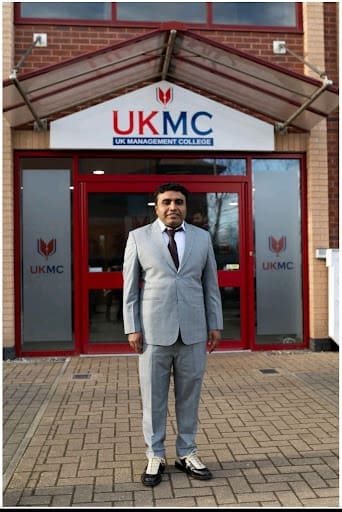
Established in 2016, UK Management College (UKMC) represents a defining milestone in Zahidul’s professional journey. From its early single-campus beginnings, the institution has developed its academic partnerships and broadened its provision across disciplines including business management, digital marketing, health and social care, fashion and events management.
The development of UKMC reflects a practical understanding of the challenges many learners face when pursuing higher education. For mature students, working professionals and individuals returning to formal study, access to education often depends on finding pathways that recognise their circumstances while maintaining appropriate academic expectations.
Zahidul’s approach places these learners at the centre of the institution’s purpose. By supporting educational opportunities for people with different experiences and aspirations, UKMC seeks to make higher education more accessible while helping students develop knowledge and capabilities relevant to their professional futures.
The institution’s development has also demonstrated the importance of collaboration within the higher education sector. University partnerships enable educational providers to develop programmes and create opportunities for learners while maintaining clear academic responsibilities and quality expectations.
For Zahidul, building an educational institution is not simply a commercial undertaking. It involves establishing systems, developing teams, maintaining relationships and creating a culture in which learners can progress. Institutional growth must therefore be supported by strong foundations, effective management and a clear understanding of the responsibilities associated with education.
This philosophy has informed his wider ambitions, encouraging him to look beyond a single institution towards a broader network of organisations serving different educational and professional needs.
The Unibridge Group: Connecting Education, Training and Professional Development
Through The Unibridge Group, Zahidul is pursuing a wider vision of how complementary educational organisations can contribute to a more connected learning landscape. The Group brings together institutions and specialist providers with distinct areas of expertise, reflecting the understanding that people require different forms of education at different stages of their lives and careers.
UK Management College remains a central part of this educational ecosystem. Alongside it, GAMTA – Glasgow Academy of Musical Theatre Arts – represents specialist performing arts education, with provision spanning acting, singing and dance. Its focus on creative-industry pathways illustrates the importance of vocationally relevant learning and the development of practical professional skills.
The Group’s portfolio also includes ASIQUAL Global, an education consultancy focused on institutional development, governance, compliance and quality enhancement. Its work reflects another important dimension of Zahidul’s vision: educational progress depends not only on delivering learning but also on helping institutions strengthen the systems through which they operate.
Other organisations contribute specialist expertise in different fields. Chequers Academy provides clinical and medical training, first aid courses and professional development opportunities. Green Valley Academy supports higher education pathways, including provision in public health, while Civil Ceremonies Limited focuses on professional training for celebrants working across significant life events.
Together, these different areas of activity reflect an ambition to support learning across a broad spectrum of professions and personal circumstances.
For Zahidul, the opportunity lies in recognising how these organisations can contribute to a wider educational journey. A learner may begin with foundational learning, progress into higher education, pursue a specialist professional qualification and continue developing throughout a career. Connecting these stages more effectively can help individuals navigate their options and make informed decisions about their futures.
However, such an ecosystem requires more than bringing organisations together. Each institution must retain a clear purpose, meet its relevant obligations and maintain appropriate standards. Zahidul’s emphasis on responsible growth recognises that long-term credibility is built through consistent performance, transparent governance and a commitment to the learners and professionals each organisation serves.
A Leadership Philosophy Rooted in Access and Responsibility

This belief is particularly relevant in a changing employment landscape, where professional expectations continue to evolve and individuals increasingly need opportunities to acquire new knowledge and develop transferable skills.
Education providers must therefore understand more than their academic programmes. They must recognise the practical realities facing learners, the expectations of employers and the importance of creating pathways that remain relevant as industries change.
Zahidul’s approach combines entrepreneurial ambition with an emphasis on institutional responsibility. Growth can create new opportunities, but it must be accompanied by effective systems, capable teams and a clear commitment to quality. In education, the success of an organisation cannot be measured solely by its scale; it must also be understood through the value it delivers to learners and the opportunities it helps them pursue.
This perspective places people at the heart of institutional development. Behind every programme is a learner with individual ambitions, responsibilities and challenges. Behind every educational organisation is a team whose work influences the quality of the experience being delivered.
Developing an environment in which both learners and professionals can progress requires thoughtful leadership, consistent communication and a long-term view of organisational success.
For Zahidul, these considerations are central to building educational institutions that can remain relevant, responsible and effective over time.
Looking Beyond Borders: An International Vision for Education
Zahidul’s ambitions extend beyond the United Kingdom, with Bangladesh representing a particular area of interest in his international educational work.
Through his association with the Central University of Science and Technology (CUST), Bangladesh, where he serves as Chairman, he has expressed a vision centred on improving educational access, strengthening institutional quality and encouraging partnerships that can benefit learners and communities.
His interest in international development reflects the belief that educational collaboration can create opportunities to share experience, strengthen institutional capabilities and respond to challenges that differ across countries.
However, successful international development requires an appreciation of local contexts. Educational models cannot simply be transferred from one country to another without considering regulatory requirements, cultural expectations, labour-market needs and the circumstances of the learners they are intended to serve.
Zahidul’s stated ambition is to encourage collaboration that respects these differences while pursuing common objectives: better access to learning, stronger educational institutions and programmes that respond to professional and academic expectations.
There is also an important role for professional qualifications and specialist training within this vision. As economies and industries evolve, learners need opportunities to develop relevant skills, while employers benefit from education and training that reflect practical workplace requirements.
Building relationships between educational institutions, employers and professional communities can help create more meaningful connections between learning and career progression.
For Zahidul, the longer-term opportunity is to contribute to an educational landscape in which institutions work collaboratively, learners have clearer pathways and quality remains central to sustainable development.
Shaping the Future of Education Through Purposeful Growth
The education sector continues to face important questions about accessibility, quality, institutional accountability and the changing relationship between learning and employment. For leaders such as Zahidul, addressing these challenges requires a combination of entrepreneurial thinking and a strong sense of responsibility.
The future of The Unibridge Group will depend not simply on the number of organisations within its wider ecosystem, but on how effectively they serve their respective learners and professional communities. Sustained progress requires each organisation to develop its capabilities, maintain appropriate standards and remain attentive to the needs of the people it supports.
For UK Management College, this means continuing to develop educational opportunities and academic partnerships while responding to the needs of a diverse student population. For the wider Group, it means recognising the value of specialist expertise and creating opportunities for complementary organisations to contribute to a broader educational mission.
Zahidul’s professional journey reflects a belief that education should be viewed as a long-term investment in people and society. Its value is found not only in qualifications awarded or programmes delivered, but also in the confidence learners gain, the careers they pursue and the possibilities that become available to them.
As he continues developing his educational interests in the United Kingdom and internationally, his guiding principle remains clear: institutions should be judged by the opportunities they create, the standards they uphold and the positive contribution they make to the lives of learners.
Ultimately, Zahidul Islam’s vision is about building more than educational organisations. It is about helping create pathways through which people can learn, progress and contribute meaningfully to their communities. Through responsible institutional development, purposeful partnerships and a continued emphasis on widening access, he seeks to make education a more effective instrument of opportunity for future generations.
Media Contact
Md Zahidul Islam
Chief Executive Officer – The Unibridge Group
Founder & Executive Director – UK Management College
Chairman – Central University of Science and Technology (CUST), Bangladesh
LinkedIn: https://www.linkedin.com/in/mdzahid1


