



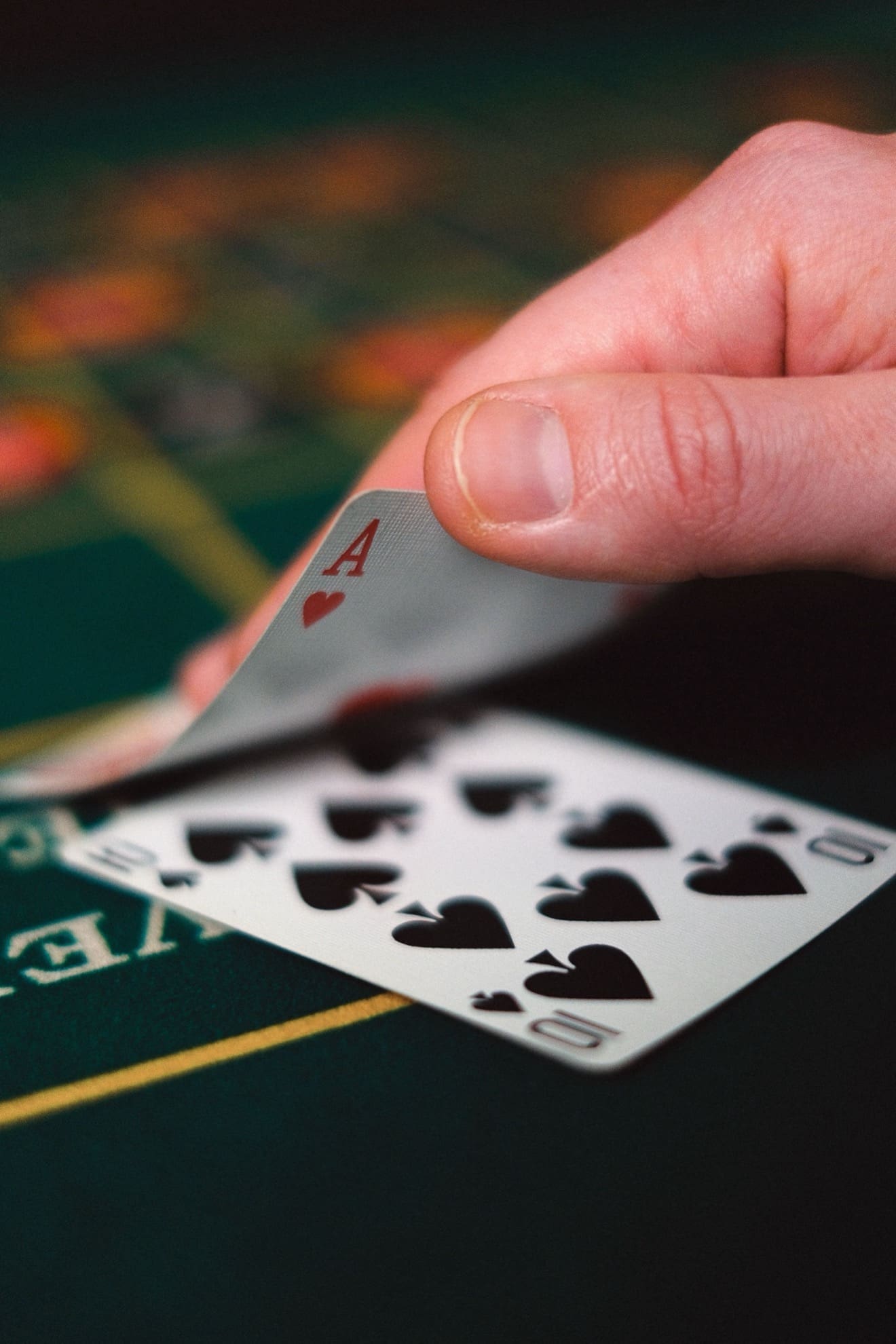
Back a Player bet and you’ll be ahead after two cards, then lose the hand anyway, in 8.26% of rounds. That figure comes from a three-million-hand simulation of a standard eight-deck shoe, and it puts a number on the one baccarat moment every regular recognises. You were winning. Then a card landed and you weren’t.
Evolution built a whole table around it. Insurance Baccarat launched in December 2025 with a stake-return mechanic attached to every Player and Banker bet, and the terms sit in plain view on Evolution’s own game page rather than buried in small print.
Three things are worth getting straight before you sit down. One hand, walked from the deal to the refund landing back in your balance. The arithmetic of the 10% fee against what the refund is worth. And the rounds where the protection can’t reach you, because roughly a third of hands finish before a third card exists at all.
That’s worth knowing if you play live tables from home in New Zealand, where live dealer titles account for 20% of the country’s most-played online games and the average session runs 30 to 45 minutes. Tables like these turn up in NZD-facing lobbies, and a vegastars login puts the newer variants and the classic baccarat rooms most of us learned on in the same place, so you can compare them without changing accounts mid-session.
Six Stands and Four Draws
Nobody at the table chose that third card; not you, not the dealer. Take the hand that started this. You’re on Player, the deal comes out, and Player shows 6 against Banker’s 4. Player stands on 6 or 7, so your side takes nothing further; it’s done. Banker on anything from 0 to 5 has to draw when the Player stands, so a card comes out, it’s a 4, and Banker finishes on 8. Your winning hand is gone, and no decision was made anywhere in the room.
If you want to check that against something local, the same drawing chart is published for players on the casino floor, including the line where Banker on 5 draws only against a Player third card of 4, 5, 6 or 7. The maths behind the feeling holds up too. With a Player two-card total of 6, Michael Shackleford’s eight-deck analysis at Wizard of Odds puts Banker’s chance of winning at 42.78%, dropping to 28.50% when your total is 7.
So a 6 leaves you well ahead, though not comfortably so. Here’s the short version of the rules doing all this work:
- Player draws on a two-card total of 0 to 5, and stands on 6 or 7.
- Banker draws on 0, 1 or 2 every time.
- Banker on 3 draws unless your third card is an 8.
- Banker on 6 draws only when your third card is a 6 or 7.
You’ll notice which line produces the most heartbreak. The flashy exception about the 8 is not it. The damage comes from Banker sitting on a middling total, forced to draw because you stood, then catching something useful. That’s the workhorse behind almost every reversal you’ll experience, and it’s the rule most guides mention once and move past.
The Chip That Costs Eleven
Now the money side, which is where this table gets interesting. A NZ$10 bet on Player or Banker costs you NZ$11. The 10% is applied automatically to all main bets, and Evolution states it applies whether or not the hand ends up qualifying for a refund. It works less like a side bet you win or lose and more like a surcharge on every round for the right to be made whole in one particular situation. That reframes the question for you: the refund is real, so what counts is how often you’ll use it.
Run the numbers over 100 hands at NZ$10 on Player. You’d pay NZ$100 in fees. You’d expect roughly eight refunded stakes, worth about NZ$82.55, based on that same 8.26% reversal rate from the simulation. Break-even would need a fee around 8.3% on Player, or 7.8% on Banker, where reversals happen slightly less often at 7.84% because Banker acts second with more information.
So the charge sits about two percentage points above the raw value of what it returns. The published returns tell you the same thing from the other end, as Livedealer.org’s hands-on breakdown sets out:
| Bet | Payout | Return to Player | Insurance treatment |
| Player | 1:1 | 97.30% | Stake returned on a reversal |
| Banker (commission) | 0.95:1 | 97.06% | Stake returned on a reversal |
| Banker (no commission) | 1:1, 0.5:1 on a Banker 6 | 96.69% | Stake returned on a reversal |
| Tie | 8:1 to 11:1 | 89.42% | Not covered |
For comparison, Evolution’s standard baccarat tables return 98.76% on Player and 98.94% on Banker, figures you can check against the house edge tables at Wizard of Odds. You’re paying roughly a point and a half for the safety net.
The no-commission toggle is the detail most people will skip, and it’s the one that moves the number furthest; switching modes on the same table costs you about a third of a percent. Being able to see both versions side by side is what makes that comparison possible in the first place, which is one of the more useful things a well-stocked live lobby such as Vega Stars gives you: the variant and the classic table, open in the same session.
When The Refund Can’t Reach You
Every feature has edges, and knowing where these sit is what turns the mechanic into something you can use deliberately. Three situations leave you uncovered. Naturals end the hand on the spot, and an 8 or 9 appears on one side or the other in 34.3% of rounds according to the simulation, so no third card is dealt and there’s nothing to insure. Tie bets sit outside the mechanic completely. And a hand that was behind after two cards gets nothing back, because the refund keys off the interim lead rather than the final result.
This protects the lead you held, not the loss you took.
The brighter side of the same maths is that when your side is ahead after two cards, it goes on to win 76.9% of the time, and of what’s left, the refund catches 18.4% of those Player hands. So an early lead is a good place to be, and roughly one in six of the disappointments now comes back to you.
If a third of rounds finish before a third card is ever dealt, is that fee buying you protection, or is it buying the confidence to keep backing the side you fancy rather than second-guessing yourself? Reading a game’s help screen before you stake anything answers it faster than any strategy guide, and lobbies that surface full rules next to the table (Vega Stars among them) make that a thirty-second job.
Who This Table Suits
The reversal is not a flaw in baccarat; it’s most of the appeal. Todd Haushalter, Chief Product Officer at Evolution, put it well when describing what draws people to the game: it offers ‘the elegant flow and excitement of a come from behind win that makes Baccarat so popular’. Insurance Baccarat simply puts a price on the other side of that same swing, the one where the come-from-behind happens to the hand you backed.
There’s a decent audience for it here. New Zealanders’ online gambling spend now runs at around NZ$1.36 billion a year across roughly 360,000 active accounts, according to market analysis reported in May 2026, and Evolution leads the live dealer category among Kiwi players. The company has also been pushing baccarat towards faster formats, citing player movement towards its roughly 20-second speed rounds, and it sets out the terms for each release on Evolution’s Insurance Baccarat game page.
Speed is where the deciding factor hides, and hardly anyone mentions it. Baccarat’s appeal isn’t confined to live streams either; the game still shapes casino floors abroad, where high-roller table play drives whole quarters of Las Vegas revenue.
On a 30 to 45 minute session, you might see forty hands or four hundred depending on the table pace. Fewer hands means the eight-in-a-hundred refund rate becomes a lottery; you could easily bank three refunds or none while paying the fee on every round. Longer, steadier play is where the mechanic settles into behaving the way its maths says it should. If your habit is short bursts, the standard tables and their higher return will serve you better. If you sit for a while and bet flat, the trade looks reasonable. Either way, having both options in one place helps, which is what a lobby such as Vega Stars is for: Evolution’s baccarat variants next to the classic rooms, NZD play and streams that hold up on a phone.
Read The Chart and Then Decide
What this table really sells you is clarity. It takes the least understood moment in baccarat, attaches a fee and a refund to it, and in doing so forces a number onto something most players only ever felt.
Work through that arithmetic once and you’ll understand ordinary baccarat better than you did before. You’ll know why a standing 6 loses more often than it feels like it should, why Banker’s draw rules exist, and what a percentage point of return costs you across a hundred hands.
More tables built around single moments are coming, and the skill of reading them, checking the fee, checking the exclusions, checking the return, carries straight over. So the next time a third card takes a hand away from you, you’ll know exactly which rule took it, and what you paid for the chance of getting your stake back.
Advisory Notice: Play for fun, not for profit. Decide how much you’re willing to lose before you begin and hold yourself to it. If you catch yourself trying to win back losses or feeling unable to stop, take that as your cue to step back. Free, confidential help is always available through Gambling Helpline whenever the stress outweighs the enjoyment.