



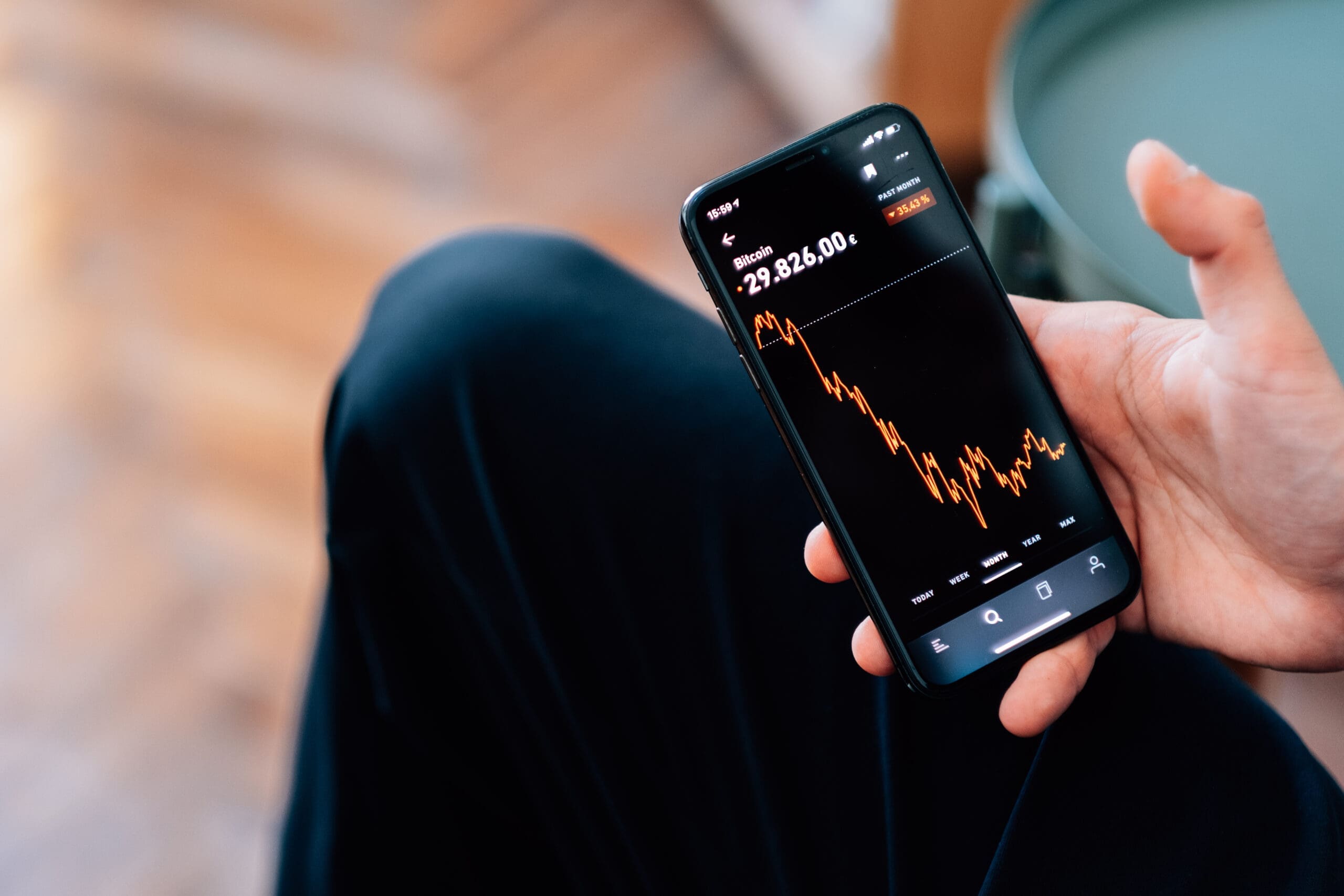
A growing number of young South Africans are getting their first taste of “the markets” not from a bank, a broker, or a financial adviser, but from a video on TikTok or Instagram. The app that follows looks like modern fintech: a clean dashboard, a portfolio tab, a colour palette borrowed straight from budgeting apps. What it delivers, in a lot of cases, is closer to a fast, repeatable bet than a considered financial decision.
This isn’t an argument against trading or investing. Millions of South Africans build wealth responsibly through JSE shares, unit trusts, and retirement products, and none of that resembles what’s being described here. The concern is narrower and more specific: a category of high-speed, leveraged trading products, marketed hard to young and financially inexperienced audiences, appears to be teaching some of them the emotional habits of gambling before they’ve placed a single bet.
Where Investing Ends and Speculation Begins
The distinction that tends to disappear in the marketing is the one between investing and speculation. Investing is patient. Money gets spread across assets, held for years, and grown mostly through compounding rather than any single well-timed call. Speculation moves differently. It’s short-horizon, frequently leveraged, and built around guessing the next tick on a chart rather than the multi-year outlook of a company or a fund.
Both can lose money. Only one is structured to deliver a result within seconds, over and over, all day. That structure is the key difference. A position opened and closed in minutes compresses the whole emotional arc of risk-taking, anticipation, outcome, and the pull to go again into a loop that can run dozens of times before lunch. Leverage then makes each round feel bigger than the money actually at stake. Small deposits can produce outsized gains or losses.
None of this needs a product to be fraudulent. A fully licensed, entirely legal trading app can still be built around a reward pattern that has more in common with a betting app than a retirement fund.
Why Young South Africans Are an Easy Audience
A generation ago, getting into markets involved friction: a bank, paperwork, a minimum balance, usually an adult who understood what they were signing. That friction slowed people down and made impulsive decisions harder. It has mostly disappeared. A young South African can now encounter high-risk trading culture through a WhatsApp group or a Telegram channel long before earning a full salary, often through a short clip of someone tapping a screen and watching a profit land in seconds. Many apps offer a demo mode first, which lets the rush get rehearsed before any real money is on the line.
Economic pressure adds to this. Youth unemployment in South Africa is high, and a product promising to turn a small phone deposit into an income is not landing on bored teenagers. It’s landing on anxious young adults who have been told, repeatedly, that jobs are scarce, and who are then shown “proof,” in the form of profit screenshots and lifestyle photos, that the markets are the way out.
Then there is the influencer layer. Profit screenshots, countdown offers to join private groups, and paid trading “signals,” meaning alerts that tell followers when to enter or exit a trade, are not the patient language of investing. They are the language of urgency and certainty.
The Financial Sector Conduct Authority has already taken enforcement action against unlicensed signal-sellers, making it clear that publishing trading signals for other people can fall within regulated financial advice under the FAIS Act. Selling that kind of certainty without a licence is not a harmless side hustle. The regulator has fined and debarred people for doing exactly that.
When a Trade Starts to Feel Like a Bet
The clearest warning sign isn’t the platform. It’s the pattern. Putting money straight back in after a loss to chase it. Treating a win as proof of skill and going bigger next time instead of banking it. Refreshing a chart late at night, during a lecture, or in the middle of a shift. Getting cagey about exactly how much has gone in or come out. Using money set aside for something else, like rent or a loan repayment, to fund one more attempt. Believing, with real conviction, that the next trade is the one that fixes everything.
None of that describes investing. It is the recognised template of gambling harm, playing out on a candlestick chart instead of a betting slip. It doesn’t announce itself the way a casino does. There’s no age gate, no warning message, no obvious door. It just looks like ambition.
Basic Checks Before Trusting Anyone With Your Money
Before paying for trading tips, a mentorship package, or advice from anyone online, it is worth checking whether they are actually licensed to provide it. The FSCA runs a free, public search tool for authorised financial services providers, and anyone offering advice or paid signals in South Africa is required to be registered under it. If a name does not appear, that is a serious red flag, not a technicality.
It also helps to understand, in plain terms, what leverage actually does: it multiplies losses exactly as eagerly as it multiplies gains. The regulator’s own warning list doubles as a useful checklist: unrealistic promised returns, offers pushed through social media, demands for upfront payment, manufactured urgency, and vague details about what the product actually is. When those signs appear, the safest response is to slow down, verify the provider, and avoid paying before the facts are clear.
At home, the conversation should be just as practical. If a young person is trading, it is worth asking plainly what app they are using, how much has gone in, and where they heard about it, in the same tone used for anything else that involves real money.
For online betting, the verification step is more direct. Before depositing money with any betting platform, users should check licensing information against official South African regulatory records, including the National Gambling Board’s verified operators portal, rather than relying on advertising claims alone.
Verification is only one part of the wider consumer-protection picture. The deeper concern is that loss-chasing behaviour does not stay neatly inside one category of app. The urge to chase a loss, deposit again, and believe the next attempt will fix everything is the same impulse behind gambling harm, regardless of which screen it started on. That is why consumer education in South Africa now has to look beyond licensed South African betting sites themselves and consider the digital habits that teach people to chase losses before they recognise the behaviour as harmful.
