


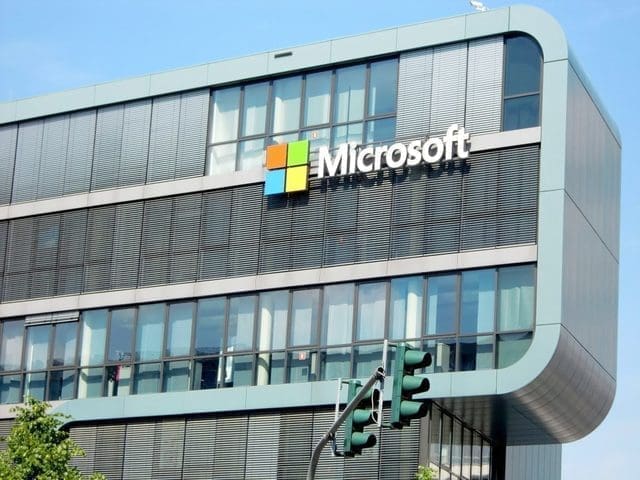
The Trump administration is suspending Microsoft, Adobe and several other technology companies from a program that helps skilled foreign workers obtain permanent residency in the United States, accusing the companies of fraud.
The administration is also probing universities, putting some of the country’s top research universities on notice. Thursday’s twin actions mark the broadest strike yet against skilled-worker immigration programs — potentially cutting off a common path to permanent residency for foreign tech workers.
Since taking office, US President Donald Trump has pursued a broad effort to reduce the number of foreign-born people in the US and curtail their pathway to residence and citizenship.
Vance targets Microsoft over H-1B, green cards
“There has been no company in the United States, unfortunately, that has abused the system more than Microsoft,” U.S. Vice President JD Vance said in a news conference on Thursday, Reuters reported..
He said the company laid off 6,000 American workers last year while benefiting from 6,300 H-1B temporary worker visas and nearly 3,000 green cards.
Microsoft is the largest filer of PERM applications, or the permanent labor certification process, according to data from the US labor department. Under PERM, which most employment-based green cards require, employers must show a foreign hire will not hurt US workers’ wages or jobs.
Microsoft responds
Microsoft said in a statement:
“We believe in the strength and talent of the American workforce. That is why the vast majority of Microsoft employees in the United States are Americans.
“We look forward to providing the Administration with additional information. For example, of the approximately 6,000 H-1B visa applications we submitted in the last fiscal year, 80% percent were to extend or change the status of existing Microsoft employees. These were not to hire new people. The remaining filings for new employees were for individuals already legally in the United States who decided to come work for us, and they equal only 1% of our U.S. workforce. They are not new arrivals to our country.
“Microsoft only files H-1B petitions for those who meet the rigorous standards of this visa category. We pay our employees some of the highest compensation in the tech sector, and our wages are among the highest of all H-1B filings. We pay our H-1B employees the same as any other employees doing comparable work.
“Microsoft succeeds as a global technology leader by developing the world’s best technology workforce. We do this by strengthening this country’s talent pipeline, hiring American workers, and attracting the best talent from around the world.”
What the green card freeze means
The suspension targets a key step in employment-based immigration. H-1B visas allow temporary skilled work; PERM is often required before an employer can sponsor a worker for many employment-based green cards. Suspending companies from PERM can slow or block permanent residency for affected foreign tech workers.
Nine Universities Face Exchange-Visa Probe: Harvard, Yale, Stanford, Brown, MIT Named
Vice President JD Vance said nine universities are under investigation for what the administration describes as misuse of exchange-visitor visas to suppress American wages. Harvard, Yale, Stanford, Brown and MIT are among the schools named.
The inquiry escalates the administration’s ongoing clash with Harvard over international students. The Department of Homeland Security subpoenaed the university last year over claims of misconduct by international students and its compliance with immigration law.
Key facts
-
Trump administration suspends Microsoft, Adobe and other tech firms from a program for skilled foreign workers seeking permanent residency.
-
Companies accused of fraud.
-
Universities probed.
-
Vance says Microsoft laid off 6,000 American workers last year while benefiting from 6,300 H-1B visas and nearly 3,000 green cards.
-
Microsoft says vast majority of its U.S. employees are Americans; 80% of approximately 6,000 H-1B applications last fiscal year were to extend or change status of existing employees; new employees already legally in U.S. equal 1% of U.S. workforce.
