

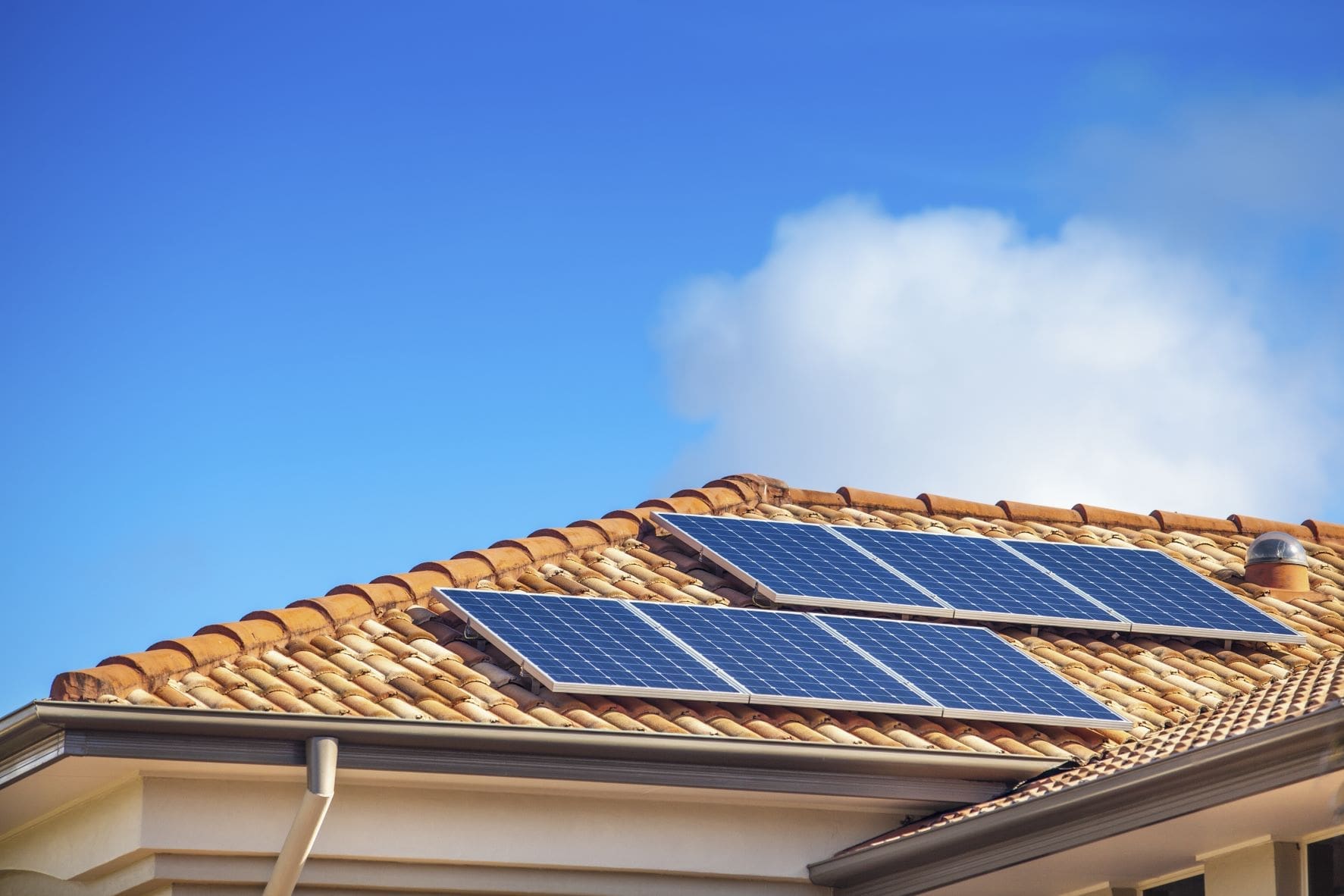
With Eskom tariffs having risen 182% in the last five years and set to continue to rise, many South African homeowners and businesses have turned to alternative energy sources. The solar market has grown rapidly as a result, but the question remains why every household hasn’t switched to solar. Currently, less than 10% of South African households have a solar system.
The biggest barriers to solar adoption are access to finance and the slow sales process. However, new solar subscription players have introduced technological innovations that put system design directly into the hands of solar engineers, enabling real-time quoting and financing on-site. By simplifying the process and making costs more transparent, these tools make solar energy more accessible and affordable for more consumers. This shift not only reduces complexity for customers but also accelerates solar adoption by ensuring households can clearly see the financial and energy-saving benefits upfront.
Solar providers struggle to close sales quickly due to manual quoting systems, slow and laborious financing approvals and manual sales methods. AI platforms available to the installer on-site have removed this friction. Now instant quotes can be generated on-site, automated financing approvals obtained at the point of sale with the customer who can sign up for a solar subscription while the provider is there to answer questions and walk the customer through the process. While in its infancy in South Africa, this is a game-changer for solar providers and for South African households looking for an affordable, customised solution that suits their budget.
Historically, solar installations often followed a generic approach, where providers selected systems based on broad specifications. This led to inefficiencies, with systems often being either too large or too small for consumers’ needs. Now, a platform like ours uses machine learning technology to help solar providers design systems that are precisely aligned with each property’s energy consumption and available space, creating more efficient and cost-effective outcomes for consumers while providing more accurate quotes.
AI’s role in real-time system optimisation is going to be increasingly important as the new Eskom tariffs are rolled out. With these new tariff structures and net billing set to come into effect in the near future, households that optimise their energy use will see the most significant savings. By leveraging these AI-driven technologies, solar providers can monitor and optimise energy usage across multiple systems and manage battery storage, and predict energy usage patterns. Fine-tuning this balance in real-time ensures that households can maximise cost savings from day one when these frameworks take effect ensuring energy is used when it’s most needed while minimising grid reliance and helping consumers reduce waste and lower their electricity bills.
As per the new Eskom framework, households with solar will be able to feed back excess power into the grid. Knowing when to do that will be the difference between households being able to maximise the benefit from this opportunity or not. AI-driven tools embedded in platforms like ours will assist households with that decision-making.

Financing remains one of the biggest barriers to solar adoption, as many consumers struggle with the high upfront costs of solar installations. Times have changed since the early adoption of solar however and technology has enabled providers to offer more flexible financing options, making solar energy more accessible. Our research shows that subscription-based solar financing is more cost effective over 7 – 8 years than rent-to-own or other financing options and remains a game-changer in making solar accessible for more South Africans without the initial cost.
Some subscriptions are cheaper than the grid on day one, even with the Generation Capacity Charge (GCC) which is part of Eskom’s new tariff structure. Aside from allowing consumers to pay for solar, like a monthly utility bill, the right solar subscriptions also enables households to lock in lower energy costs from day one, especially as Eskom tariffs continue to rise. Solar subscriptions designed by AI-driven tools to ensure optimised system sizing can make high-efficiency systems more affordable. At the same time, the embedded services help households avoid the hidden costs of ownership, namely maintenance, call outs, and insurance.
Technology’s role in South Africa’s solar industry is set to expand further. As the cost of solar technology decreases and innovation accelerates, installations will become more efficient and affordable. Additionally, advancements in AI, machine learning and smart grid technology will enable even greater optimisation of both system design and solar energy use, create more flexible financing options and ultimately help consumers become more self-sufficient and reduce their reliance on the grid.
With the right tools and resources, South Africa’s solar sector is positioned for continued growth, contributing to a cleaner, more sustainable energy future.
South Africa’s energy future will be shaped by a mix of solutions, with residential solar playing a critical role in easing pressure on the grid. As technology continues to drive down costs and improve accessibility, smarter solar adoption—enabled by AI-driven design, financing innovation, and seamless integration with the grid—will help households take control of their energy use while contributing to a more stable national supply.
- Franc Gray, co-founder of Glint, a solar subscription platform
