


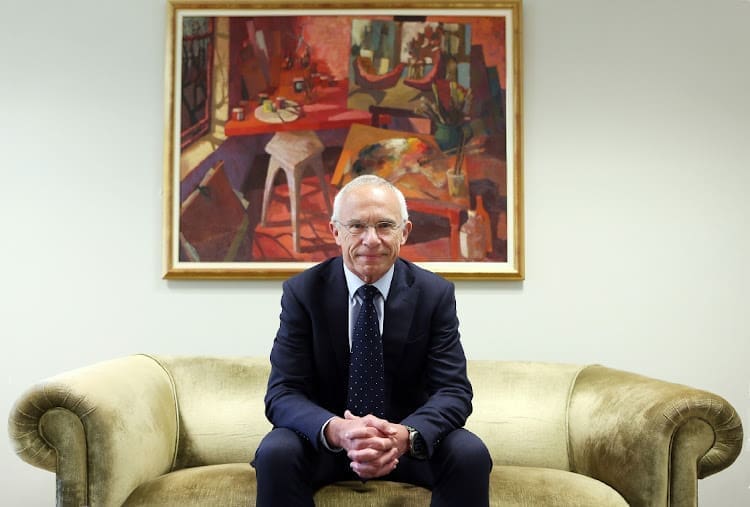
Speaking to Business Times, Uys said the decision undermines government assurances to investors that South Africa is “open for business.”
“This is not the message we want to send out to the world. The president [Cyril Ramaphosa] stands up every year and says he’s calling industry to commit to infrastructure investment. This is a perfect example of infrastructure investment, and the public interest benefits we’ve committed to make it a no-brainer,” he said.
Adding to the concerns, Uys highlighted the protracted delays in the competition authorities’ review process. Submitted to the Competition Commission three years ago, the deal faced extensive delays before the Commission recommended in August 2023 that the Tribunal prohibit the merger.
The Tribunal ultimately blocked it at the end of October, following a six-month hearing.
“To leave companies that want to invest billions in the country in limbo for three years like the competition authorities did, is just too long, it’s unacceptable,” Uys remarked, noting the Commission sent “at least 16 requests for information” before its recommendation.
The proposed R13 billion deal would have given Vodacom a 30% stake in Maziv, with an option to increase it to 40%. The partnership aimed to pool resources to bring fibre to underserved townships and rural areas, a move Uys described as essential for democratizing internet access in South Africa.
GUGU LOURIE: Blocking Vodacom-Maziv deal could widen digital exclusion


Vodacom-Maziv: A Contrarian View



Ever since the news broke last week that Vodacom, South Africa’s largest cellular network operator, had its bid to buy fibre network operator Maziv blocked by the Competition Commission, we’ve been inundated by sob-stories of how this “setback” will “widen digital exclusion” in the country’s rural and underserviced areas.
To be direct: digital exclusion isn’t an issue in rural areas. Some of these communities are well served by smaller wireless data operators – it’s just that the large cellular providers with extensive coverage and with high pricing models aren’t one of them, and have created that exclusion.
WAPA (the Wireless Access Providers Association) applauds the recent decision by the Competition Commission, which we believe is in the interest of consumers getting a fair price for their broadband internet connection. The idea that blocking the Vodacom-Maziv deal is a setback for the entire industry is complete nonsense. It is only a setback for the companies involved in the deal.
A monopoly in the making
To understand why concerns about “underserved communities” may be more about marketing than substance, let’s take a closer look at recent history.
Vodacom, launched in 1994, rose to the top of the telecoms industry in South Africa, building a behemoth network primarily fuelled by voice traffic revenue. As data overtook voice as the primary traffic on these networks, the shift brought in increased profit margins.
Vodacom’s 30-year legacy and significant head start have allowed it to dominate the market, and its CEO, Shameel Joosub, has been with the company from the start. A Harvard grad with a near-decade-long CEO tenure, Joosub has steadily pushed Vodacom towards deeper market consolidation.


