

by Tendani Mantshimuli and Vimal Chagan
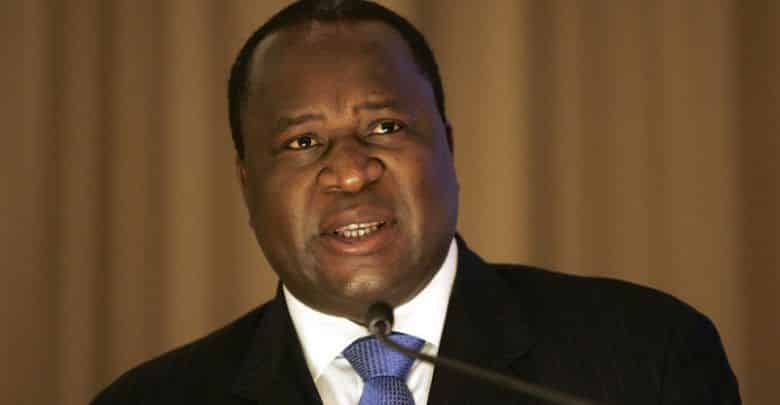
On Wednesday, Finance Minister Tito Mboweni tabled a national emergency budget outlining reprioritisation of spending in light of the impact of the pandemic. Apart from numerous COVID-19 health and frontline services, boosts to local government spend and talk of potential infrastructure injections, Mboweni laid out no real reprieve for the average income-earning consumer – even as he detailed the dramatically worsened economic environment that consumers must face.
While ‘protecting the most vulnerable’ was a driving theme in the budget reallocation, conspicuously absent was any mention of relief for all but the poorest members of society. While no further taxes were imposed, none were softened for the increasingly squeezed consumer either.
People were expecting some kind of tax relief, but there was none.
Mboweni’s mention of tax increases in his speech does not mean consumers are safe from further taxing.
Mboweni said in February that there’s no real room to tax further, so for the mass affluent sector not having a tax increase is good news for them but I’m not that positive that taxes will not be increased in February next year.
Stormy weather
Further pressure on the average South African is expected to come from the embattled economy. As we all know, headwinds do not exist in a vacuum – gloomy forecasts have tangible impacts on consumers’ livelihoods and wallets. And unfortunately, there’s seldom been a gloomier outlook than the one Mboweni’s speech outlined.
Mboweni said that the South African economy is expected to contract by 7.2% in 2020. This is the largest contraction in nearly 90 years.
We were looking at an unemployment rate of 30.1% before the budget speech and, as the minister stated, there is a contraction in GDP. This means we are going to see the unemployment rate increase. The economy is heading into stormy waters. Your finances are going to be very different going forward.
Inflation will likely register at 3% according to Mboweni, but he warns that South Africa is perilously close to bankruptcy, in which case “interest rates skyrocket, inflation takes hold and people grow much poorer.”
Even without this turn, things were not looking good.
For the mass affluent and retail affluent sectors out there, it’s not looking rosy. We will most probably have muted stock market returns over the next few years, especially for SA Inc shares.
If we cannot bring debt under control, we might slip further into junk status, our cost of borrowing will go up and our exchange rate will most probably take a hit.
The only way share prices are going to increase in the next few years is if profits increase and the South African economy starts growing. If you look at things right now, South Africa is still labour intensive and that will have to change to adapt to the new economy.
Interest-ing times
When Mboweni announced that the government would earmark R500 billion to support South Africa’s economy in the wake of the COVID-19 and lockdown devastation, with R130 billion coming from reprioritised spend from within the original 2020 budget. South Africans have been wondering where the money will come from ever since.
We now have our answer – the country will borrow it. While consumers breathed a sigh of relief that there would be no ‘wealth tax’ in the minister’s budget, this temporary measure is a more troubling one, which will not only not shore up South Africa’s haemorrhaging economy on its own, it will need to be repaid.
A silver lining is that we are not at 100% debt to GDP ratio. However, we are looking at a dangerous 87.4% in the 2023/24 tax year.
Currently, before the budget speech, 21% of all our tax revenue got eaten by interest costs. That’s going to increase a lot more over the next few years, which means that the budget will be reallocated away from other governmental spending initiatives, which could further harm our economy.
Help yourself and seek financial advice
The message for those still employed and all but the most vulnerable South Africans is this: in this difficult time, protect yourself – no one else in this climate has the capacity to do so.
Now is the opportunity to be cutting your expenses, paying off your debt. It is the time to be building a safety net around yourself. For people that have surplus assets and don’t have debt, you need to be looking at your emergency funding. Create an emergency fund of a few months’ salary saved up, because anything can happen – as the COVID-19 pandemic has proved.
The pandemic has changed the thinking on financial safety nets like insurance from a grudge purchase into a valuable necessity. Questions that precipitate insurance cover like ‘What if I’m retrenched?’ or ‘What if I become critically ill?’ are no longer abstract concepts.
Apart from the need for insurance, getting rid of debt and calling in the professionals.
This is the lowest interest rate cycle we’ve seen in a long time – cut off your debt and do not get into new commitments right now. Apart from that, not all of us are experts when it comes to managing our finances. What happens if I’m retrenched? What happened if my salary is slashed? Follow a strict financial plan, and you need an expert to help you weather this very difficult economic environment.
The storm is not over, but if we make the right decisions, the days will grow calmer,” promised Mboweni in his budget speech.
With financial advice and careful budgeting and planning, South Africans too can navigate the storm – but it’s a course they’ll have to chart for themselves.
- Tendani Mantshimuli, Liberty’s Executive for Channel Support, and Vimal Chagan, Divisional Executive for Savings and Investment Solutions,
