


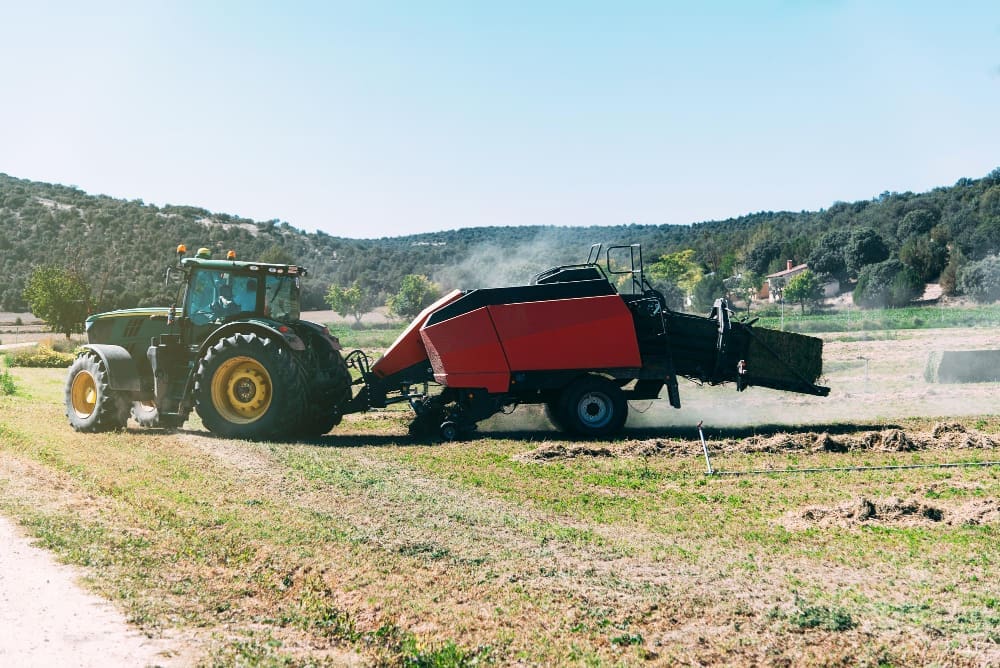
The global energy crisis caused by the closure of the Strait of Hormuz is only the beginning of the economic cost of the war with Iran.
I study how institutions affect businesses and supply chains, and I expect food prices to rise next, with high prices lasting even after whatever point hostilities end.
Along with about 20% of the world’s crude oil trade and a similar share of the world’s liquefied natural gas shipments, shipping traffic through the strait also carries roughly a third of internationally traded fertilizer, which is key to bountiful crops around the world.
Modern agriculture depends on precise timing of delivering nutrients to plants. When fertilizer arrives late or becomes too expensive to buy in sufficient quantities, farmers are left to either reduce the amount they use, plant fewer crops or switch to crops that need less fertilizer. Each option reduces overall productivity, cutting supplies of basic foods, feed for livestock and key ingredients used in a wide range of food products.
Ultimately, with corn prices rising, summer barbecues may taste a bit different or cost more. Corn on the cob may not be cheap, nor will corn-fed beef. In addition, many store-bought condiments, soft drinks and other food products are made with high-fructose corn syrup and will also cost more.
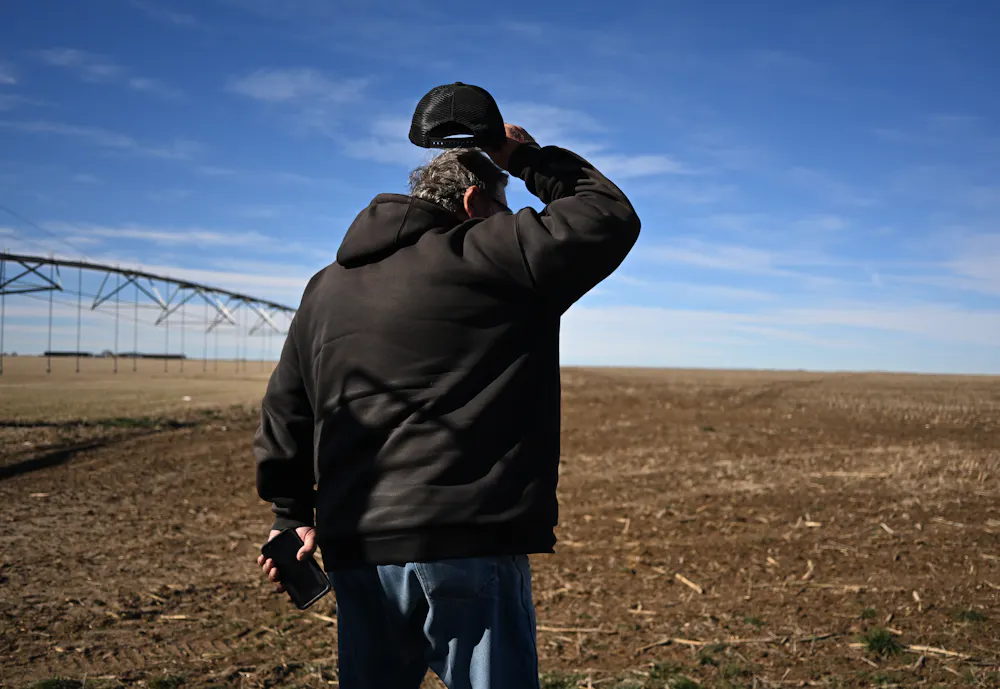
RJ Sangosti/MediaNews Group/The Denver Post via Getty Images
3 main crops, 3 nutrients needed
Three staple crops – corn, wheat and rice – supply more than half of the world’s dietary calories.
To maximize production, those crops need three main nutrients: nitrogen, phosphate and potassium. Nitrogen helps plants grow. Phosphorus helps transport energy within plant cells and is critical for early root growth and the formation of seeds and fruit. Potassium helps plants conserve water and boosts protein content.
The closure of the Strait of Hormuz has reduced the supply and increased the cost of all three.
Natural gas, which determines 70% to 90% of the cost of producing nitrogen fertilizer, has seen a 20% drop in production due to the war and price increases up to 70%. To preserve its own supplies, Russia has suspended exports of ammonium nitrate, another nitrogen source for fertilizer.
In a similar effort, China, the world’s largest phosphate producer, has blocked phosphate exports, removing 25% of the global supply.
Potash, the potassium-rich component of fertilizers, has also been in short supply in recent years, in part because of economic sanctions on Belarus and Russia, which are major potash producers.
As a consequence, fertilizer prices have risen globally. In the U.S., some fertilizers rose more than 40% in just one month after the war’s start in late February 2026.
Affecting farmers first
Cereal plants absorb the vast majority of their nitrogen needs during their early growth. Applying fertilizer later in the growth cycle is less effective.
Reducing nitrogen application by 10% to 15%, or delaying application by two to four weeks, can reduce corn yields by 10% to 25%.
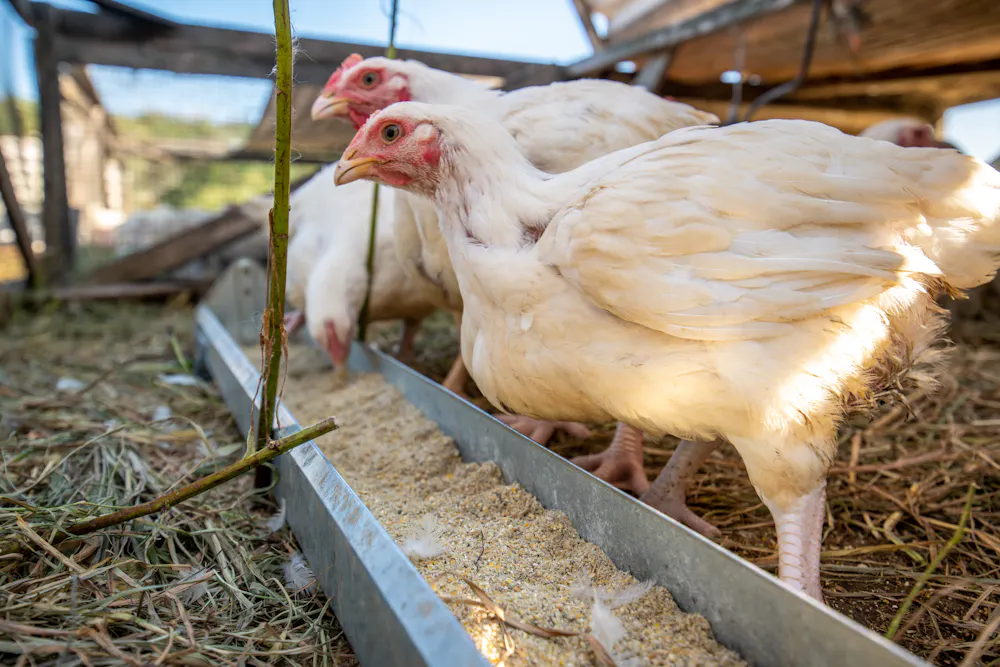
Producing less corn and wheat reduces not only food available for humans but also food for livestock. Increased fertilizer costs and reduced grain supplies increase the price of raising livestock, making meat and animal products more expensive.
When feed costs become unsustainable, farmers may be forced to kill or sell off the breeding cows and sows that represent the future of the food supply. In the U.S., a combination of persistent drought and high costs in 2022 forced producers to kill 13.3% of the national beef cow herd, the highest proportion ever. As a result, the U.S. beef cattle inventory shrank to its lowest level since 1962, a problem that restricts beef supplies for years.
Ultimately, the costs are passed to consumers. In 2012, when a historic Midwest drought slashed corn yields by 13%, it triggered a surge in feed prices, and U.S. poultry prices rose 20%.
Edwin Remsberg/VWPics/Universal Images Group via Getty Images
More money can’t fix this problem
In mid-March 2026, the U.S. fertilizer supply was around 75% of normal levels. That’s right at the beginning of the time when Corn Belt farmers typically prepare their soil for planting, including the first applications of fertilizer. Subsequent fertilizer applications typically come from mid-April to early May and between late May and mid-June.
Farmers who fear not being able to optimize their corn yields may decide to plant less corn or switch crops and plant soybeans, which need less fertilizer. Either would reduce the corn supply.
Government loan guarantees and aid packages may help farmers cover higher costs, but they cannot address timing if enough fertilizer simply isn’t available when it is needed.
Hitting home
American consumers aren’t facing the gas and food shortages or power outages other countries are seeing from the war, but they will be hit in the pocketbook. U.S. prices for gas and jet fuel are already climbing. The effects on the food supply take longer to appear, but they are coming.
Even when crops are bountiful in the U.S., consumers are not immune to global economic forces. A smaller 2026 crop, with rising demand for livestock feed in some of the most populous countries, including China and India, will put pressure on global corn prices, affecting everyone regardless of their nationality.
In March 2026, the U.S. Department of Agriculture used data from before the Iran war to project a 3.1% average increase for all food prices.
The question for consumers is how much of the rise in corn prices will be passed to the consumer, and how fast.
USDA research shows that the speed and extent of changes in food prices vary widely by food category and the level of processing involved in making the food. Other factors also play a role, such as inventory levels, perishability and market competition. When farm prices change, wholesale prices usually adjust within the first month, but retail prices often take longer – sometimes two to four months.
Christina House/Los Angeles Times via Getty Images
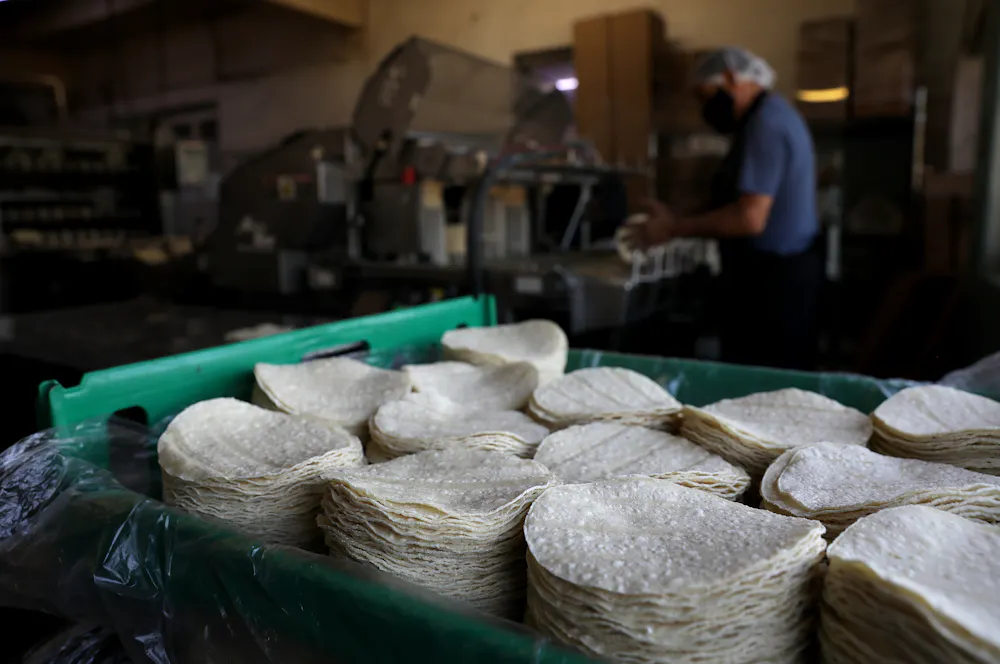
Corn tortillas and other relatively lightly processed corn foods are more likely to show price responses within a few months after corn prices increase. Adjustments to cereals or poultry prices will take a little longer. Changes in the cost of livestock products such as beef will take longer, because there are more steps between the purchase of feed corn and the sale of the meat to consumers.
Other indirect costs, related to the cost of fuel and packaging, tend to hit later. Producers often absorb the price increases in the short term, but some increases are already in the works. For instance, transport companies are adding fuel surcharges on freight shipments.
Food price hikes hit low-income households harder than high-income households, because people with lower incomes spend larger shares of their money on food and housing. For these households, even relatively affordable proteins, such as chicken, may become harder to purchase regularly.
Tariq Ishaq Musa/Xinhua via Getty Images
A global food emergency
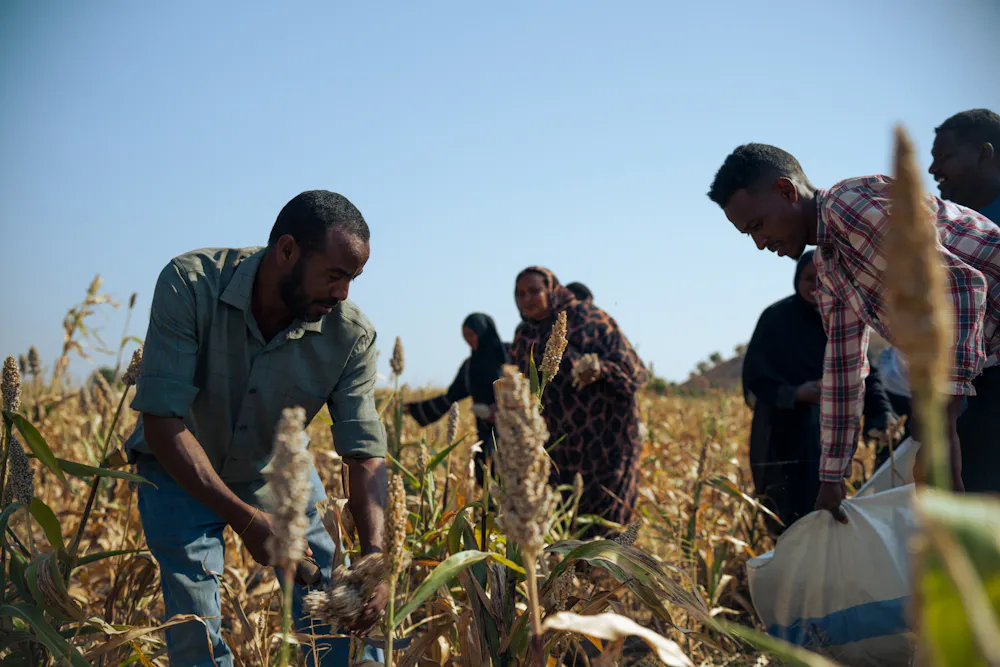
The cost and availability of fertilizer will affect the whole world. More than 300 million people worldwide already do not have enough food. The U.N. World Food Program predicts an additional 45 million could join them by the end of 2026 if the conflict in the Middle East continues into the middle of the year.
Crop yields in India and Brazil in 2026 are expected to be lower than normal. East African farmers
struggled to afford fertilizer even before the crisis and will likely have to make do with even less.
These problems may seem removed for most Americans, but food prices are global in nature, and people in the U.S. will soon face these additional costs of the war.
Aya S. Chacar, Professor of International Business, Florida International University
This article is republished from The Conversation under a Creative Commons license. Read the original article.
