Close Menu
  • Homepage
  • News
  • Cloud & AI
  • ECommerce
  • Entertainment
  • Finance
  • Opinion
  • Podcast
  • Contact

Subscribe to Updates

Get the latest technology news from TechFinancials News about FinTech, Tech, Business, Telecoms and Connected Life.

What's Hot

Resolv Secures $500,000 Pre-Seed To Build The Recovery Layer For Stolen Crypto

2026-01-21

Huawei Says The Next Wave Of Infrastructure Investment Must Include People, Not Only Platforms

2026-01-21

The Productivity Myth That’s Costing South Africa Talent

2026-01-21
Facebook X (Twitter) Instagram
Trending
  • Resolv Secures $500,000 Pre-Seed To Build The Recovery Layer For Stolen Crypto
Facebook X (Twitter) Instagram YouTube LinkedIn WhatsApp RSS
TechFinancials
  • Homepage
  • News
  • Cloud & AI
  • ECommerce
  • Entertainment
  • Finance
  • Opinion
  • Podcast
  • Contact
TechFinancials
Home»e-commerce»7 Ways To Protect Yourself From Loading Your Debit And Credit Card Onto A Criminal’s Digital Wallet
e-commerce

7 Ways To Protect Yourself From Loading Your Debit And Credit Card Onto A Criminal’s Digital Wallet

Sophisticated phishing and smishing attacks on the rise
Staff WriterBy Staff Writer2024-07-03Updated:2024-07-03No Comments4 Mins Read
Share Facebook Twitter Pinterest LinkedIn Tumblr Email
FNB
FNB
Share
Facebook Twitter LinkedIn Pinterest Email Copy Link

There is an increase in phishing and smishing attempts aimed at loading debit and credit cards onto criminals’ digital wallets. Phishing is a type of cybercrime in which people are duped into providing sensitive information such as login credentials, passwords, PINs, card details, or ID numbers by using deceptive techniques such as fake emails and websites. Smishing is the use of text messages – apparently from reputable institutions – to trick people into disclosing similar information.

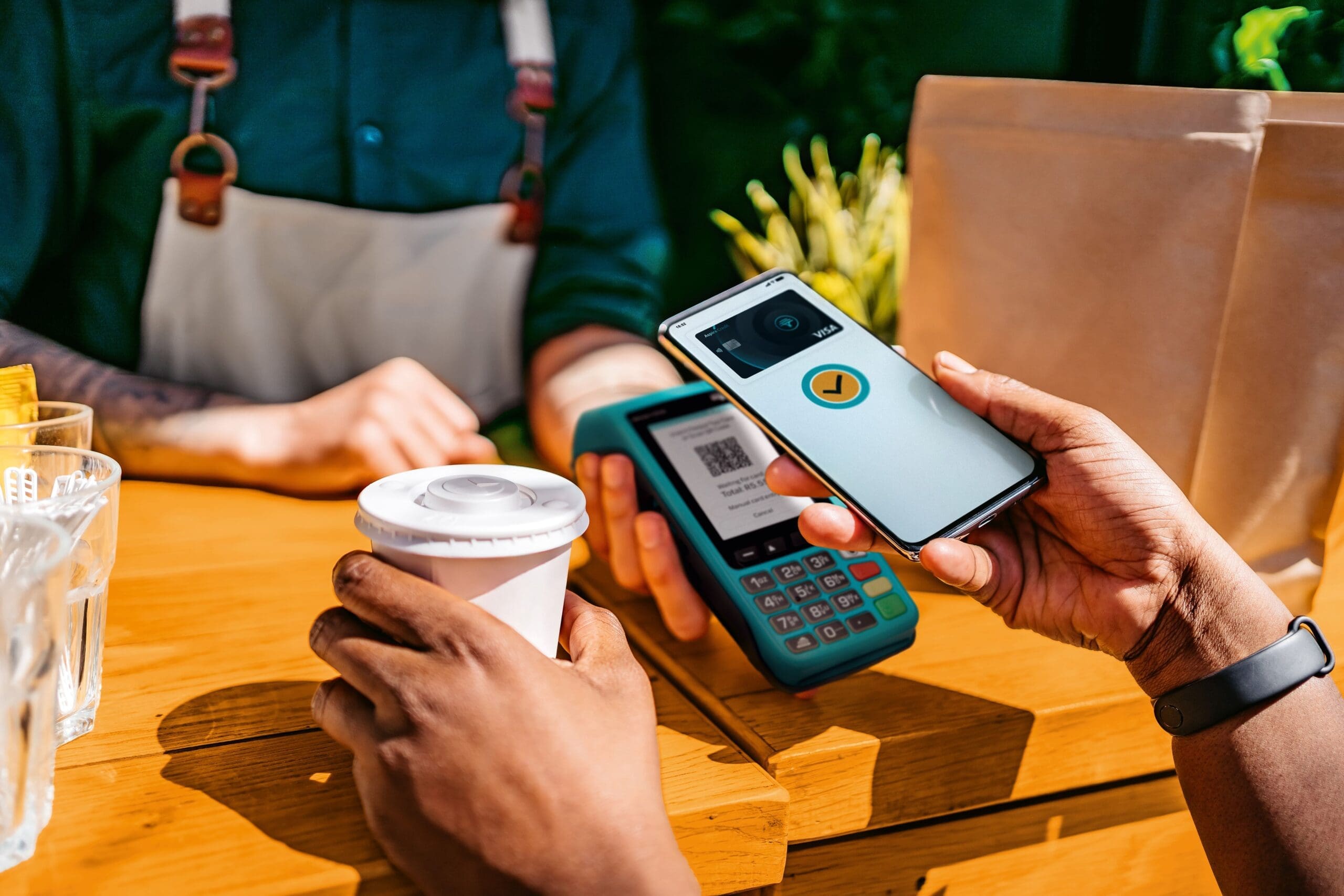
Criminals have realised that the process of loading a debit or credit card onto a digital wallet is similar to the process of making an online payment using these cards. Both processes require card details to be entered into an online portal and both require the submission of a one-time password (OTP) to confirm the process.

Criminals might, therefore, send SMSs asking for a small fee to be paid – for example, to release a parcel for collection. This will require the user to enter their card details. The user has no idea that the criminal is actually entering those details into their digital wallet. When a bank sends the criminal a request for an OTP to confirm the loading of the card, the criminal then asks the user for the OTP which the user mistakenly believes has been issued in relation to the fraudulent payment. If they hand it over to the fraudster, the criminal is now able to use the card by presenting their own biometrics – because the card has been fraudulently loaded on the criminal’s own device.

With cybercriminals becoming more sophisticated, consumers must remain vigilant and take proactive measures to protect themselves.

FNB shares the following safety tips:

  • Don’t panic: Fraudsters rely on people acting hastily, due to a sense of panic. Their tactics include threats that your accounts will be blocked or that fraud has been identified and must be stopped immediately. Whatever the scenario, keep in mind that such things will never compel you to give away OTPs, PINs, or passwords. It is safer to end such communication and contact your financial institution right away.
  • Do not click on email or SMS links: When opening emails from unknown sources or those that appear suspicious, proceed with caution. Credible financial institutions will never ask you to click on links. Clicking on links or downloading attachments from these kinds of messages should be avoided because they may include harmful malware or redirect you to fake websites.
  • Pay careful attention to the wording of OTP requests. FNB will never require a customer to share their OTP with anyone to use it anywhere on their behalf and there should never be a need to share an OTP over a phone or via message with any 3rd party to complete a payment. The wording for an online transaction OTP request is different to that of a digital wallet OTP request – don’t rush or make assumptions about communications you might receive. An authentic digital wallet OTP notification from FNB will always warn you that you are attempting to link a specific card (indicating the last four digits of the card) to a specific wallet, and it will always inform you to call 0870 30 30 30 or log into the FNB app to complete or cancel the action.
  • Enable two-factor authentication (2FA): Enable 2FA wherever possible since it adds an extra layer of security by requiring a second verification step, which is often transmitted to your mobile device or an authenticator app, such as the FNB Apps for FNB customers.
  • Take note of the card and digital safety measures recommended by your financial institution: There is a lot of misleading information about how people may protect themselves from fraud but it is always preferable to follow your financial institution’s recommendations on how to secure your money.
  • Keep software and devices up to date: Update your operating system, web browsers, and antivirus software on a regular basis to guard against vulnerabilities. To ensure that you get the most recent security fixes, enable automatic updates whenever possible.
  • Verify contact details: If you are suspicious of a message or request, contact your bank using details directly from their website so that you’re not redirected to the fraudster’s ‘help line’.

Consumer and financial institution vigilance is essential to fraud prevention. For the latest tips on security, FNB customers can go to the Security Centre tab of the FNB App and Online Banking.

Cybercrime Digital wallets FNB Online Payment Phishing smishing
Share. Facebook Twitter Pinterest LinkedIn Tumblr Email
Staff Writer

Related Posts

Ransomware: What It Is And Why It’s Your Problem

2026-01-19

AI Can Make The Dead Talk – Why This Doesn’t Comfort Us

2026-01-19

The Cost of Poor Digital Security, Explained

2026-01-16

South Africa Enters 2026 with a More Stable and Reliable Power System

2026-01-12

Solving the “Township Economy” Logistics Puzzle: The Data Key to Unlocking Africa’s Next Retail Frontier

2025-12-23

ShoveBike Electric Bikes Power Township-Owned Supply Chain Pilot

2025-12-19

Australia’s Social Media Ban Is Now In Force. Other Countries Are Closely Watching What Happens

2025-12-11

Tshepo Khoza Gets 6-Year Sentence In SAPS DNA Tender Tax Fraud

2025-12-09

Get S-Class Tech For Less: Chinese Cars Challenge R3M Luxury

2025-12-04
Leave A Reply Cancel Reply

DON'T MISS
Breaking News

Huawei Says The Next Wave Of Infrastructure Investment Must Include People, Not Only Platforms

As countries push ahead with digital transformation, infrastructure planning is evolving. It is no longer…

Cartesian Capital Expands Investor Toolkits With JSE Listings

2026-01-20

South Africa: Best Starting Point In Years, With 3 Clear Priorities Ahead

2026-01-12

How SA’s Largest Wholesale Network is Paving the Way for a Connected, Agile Future

2025-12-02
Stay In Touch
  • Facebook
  • Twitter
  • YouTube
  • LinkedIn
OUR PICKS

The EX60: A Volvo That Talks Back

2026-01-20

Could ChatGPT Convince You To Buy Something?

2026-01-15

Over R270M In Phuthuma Nathi Dividends Remain Unclaimed

2025-11-27

Africa’s Next Voice Revolution, When 5G Meets AI

2025-11-21

Subscribe to Updates

Get the latest tech news from TechFinancials about telecoms, fintech and connected life.

About Us

TechFinancials delivers in-depth analysis of tech, digital revolution, fintech, e-commerce, digital banking and breaking tech news.

Facebook X (Twitter) Instagram YouTube LinkedIn WhatsApp Reddit RSS
Our Picks

Resolv Secures $500,000 Pre-Seed To Build The Recovery Layer For Stolen Crypto

2026-01-21

Huawei Says The Next Wave Of Infrastructure Investment Must Include People, Not Only Platforms

2026-01-21

The Productivity Myth That’s Costing South Africa Talent

2026-01-21
Recent Posts
  • Resolv Secures $500,000 Pre-Seed To Build The Recovery Layer For Stolen Crypto
  • Huawei Says The Next Wave Of Infrastructure Investment Must Include People, Not Only Platforms
  • The Productivity Myth That’s Costing South Africa Talent
  • Bitcoin Hyper Falls Short Where Remittix Delivers, How Is RTX Reshaping The PayFi Narrative As Platform Goes Live Feb 9th
  • Solana Price Prediction: SOL Is On-Track To Regain $250 This Year but the Question Is When? Is Meme-Mania Truly Over?
TechFinancials
RSS Facebook X (Twitter) LinkedIn YouTube WhatsApp
  • Homepage
  • Newsletter
  • Contact
  • Advertise
  • Privacy Policy
  • About
© 2026 TechFinancials. Designed by TFS Media. TechFinancials brings you trusted, around-the-clock news on African tech, crypto, and finance. Our goal is to keep you informed in this fast-moving digital world. Now, the serious part (please read this): Trading is Risky: Buying and selling things like cryptocurrencies and CFDs is very risky. Because of leverage, you can lose your money much faster than you might expect. We Are Not Advisors: We are a news website. We do not provide investment, legal, or financial advice. Our content is for information and education only. Do Your Own Research: Never rely on a single source. Always conduct your own research before making any financial decision. A link to another company is not our stamp of approval. You Are Responsible: Your investments are your own. You could lose some or all of your money. Past performance does not predict future results. In short: We report the news. You make the decisions, and you take the risks. Please be careful.

Type above and press Enter to search. Press Esc to cancel.

Ad Blocker Enabled!
Ad Blocker Enabled!
Our website is made possible by displaying online advertisements to our visitors. Please support us by disabling your Ad Blocker.