


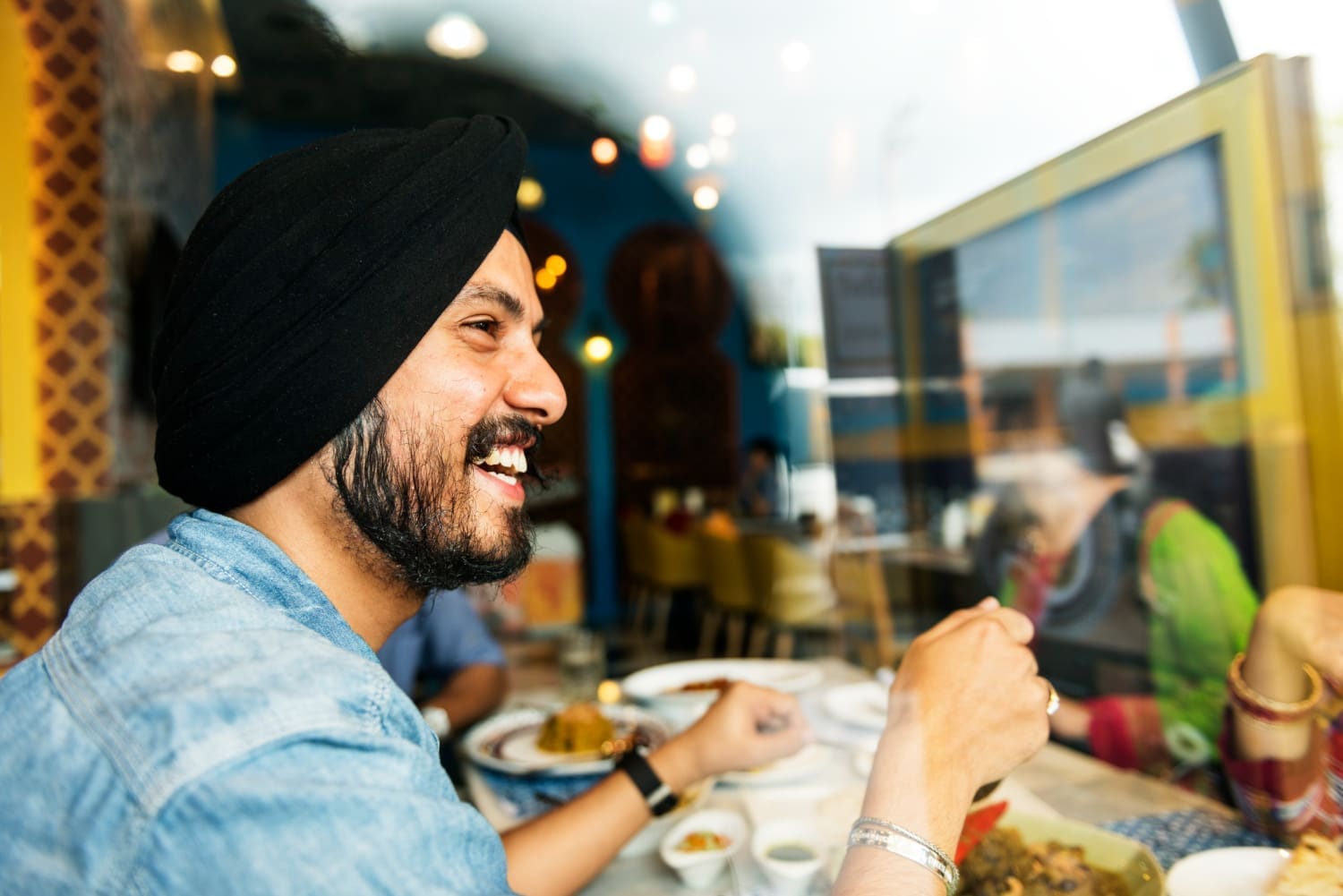

London’s relationship with curry runs deeper than almost any other city in Europe. Walk down Brick Lane and you will pass neon-lit curry houses that have traded for decades. Near Liverpool Street, late-night kitchens keep feeding City workers long after the offices have emptied. Somewhere along the way, the capital turned South Asian cooking into something distinctly its own.
Whether you crave a velvety korma on a quiet weeknight or a fiery vindaloo after a long shift, the choice is never the problem. The real challenge is sorting the genuinely good spots from the tourist traps. That takes a little local knowledge.
This guide covers everything that matters when you are hunting for great Indian takeaway London. It points you to the dishes worth ordering and the neighbourhoods that do them best. It also shows you the smartest way to place your order, so more of your money reaches the kitchen. By the end, you will know exactly how to eat well, wherever you are in the capital.
Why the London Indian Takeaway Scene Is So Special
The story of curry in this city is really a story of migration. Most of the classic curry houses that shaped British tastes were opened by Bangladeshi families. Many settled in East London from the 1950s onwards. They adapted recipes from home, often Sylheti and Chittagong traditions, to suit British palates and British ingredients. In doing so, they created a brand-new cuisine.
Chicken Tikka Masala is the most famous product of that meeting of cultures. It is the creamy, tomato-led dish once famously described as Britain’s true national dish. The most widely told origin credits a Glasgow chef, Ali Ahmed Aslam. As the story goes, he stirred tomato soup and yoghurt into dry chicken tikka in the 1970s, at a customer’s request. Several other kitchens lay claim to the invention too.
What is certain is the dish’s rise. By the 1990s, Brick Lane had become the country’s most famous curry mile. The street was lined with restaurants serving a British-Bangladeshi menu that Londoners have come to love.
Understanding this heritage explains why the London Indian takeaway scene is unlike anything you will find in Delhi or Dhaka. It is its own tradition, built in Britain.
Know Your Dishes Before You Order
Starters
Most Indian takeaway menus open with a familiar line-up of small plates designed to wake up the palate. These are the classics worth knowing:
- Onion bhajis: crisp, spiced gram-flour spirals and the staple of every British curry house.
- Samosas: neat pastries filled with spiced potato and pea, or minced meat.
- Chicken tikka and seekh kebabs: both cooked in the tandoor for smoky, charred flavour. They are a reliable test of a kitchen’s skill. If the meat arrives juicy and properly marinated, the rest of the meal usually follows suit.
- Paneer tikka: the vegetarian equivalent, holding its shape beautifully under high heat.
- Shorba: a thin, fragrant soup that warms the table while you decide on mains.
Mains by spice level (mild, medium, hot)
The genius of the British curry house menu is that it is quietly organised by heat. You can dial the evening up or down to suit the table.
- Mild: korma, pasanda and butter chicken. These dishes lean on cream, yoghurt and ground nuts for richness. They are ideal for anyone wary of chilli.
- Medium: tikka masala, bhuna, rogan josh and dopiaza. This is where most people settle, balancing warmth with deep, layered spice.
- Hot: madras brings a sharp, tangy heat. Jalfrezi throws in fresh green chillies and peppers. Vindaloo, the famous fiery option, has roots in Goan-Portuguese tradition.
- Extra hot: phall sits at the top of the scale, reserved for the genuinely fearless.
Most kitchens will happily adjust the heat of any dish on request. Treat the levels above as a guide rather than a rule.
Regional specialities (biryani, karahi, Bangladeshi dishes)
Beyond the standard curry-house lineup, the best menus showcase dishes tied to specific regions. Three are worth seeking out:
- Biryani: the showpiece. This layered rice dish, often Hyderabadi in style, is cooked with saffron, whole spices and marinated meat. It arrives with a separate bowl of salan gravy.
- Karahi (or kadai): named after the wok-like pan it is cooked in. Expect quick, high-heat curries with tomatoes, ginger and crushed coriander seed. The style is rooted in Punjabi and Pakistani home cooking.
- Off-menu Bangladeshi dishes: many of London’s curry houses are Bangladeshi-run, so it is worth asking. Fish curries such as macher jhol, shorshe begun (aubergine in mustard sauce) and chui jhal rarely make the printed menu. They reflect the eastern Bengali kitchen far more faithfully than a standard chicken tikka masala ever could.
Sides and breads
No Indian takeaway order is complete without the supporting cast. A few quick pointers:
- Rice: plain boiled basmati is the clean option. Pilau rice, cooked with whole spices and a little oil, carries more flavour.
- Naan: the classic soft, pillowy bread. Peshwari (sweet, with coconut and sultanas), garlic and keema naans each suit different dishes.
- Roti and chapati: thinner and wholewheat, better for scooping than soaking.
- Sides: saag aloo (spinach and potato), bombay potato, bhindi bhaji (okra) and a cooling cucumber raita all balance a spicy main.
Add two or three of these to a single curry, and it becomes a proper shared meal.
Where to Find the Top Indian Takeaway in London
Brick Lane and East London
Brick Lane in E1 is the spiritual home of the British curry house. Dozens of competing restaurants line the street, many Bangladeshi-run and some trading since the 1970s. That friendly rivalry has earned the area its reputation as London’s curry mile. Spots such as Preem and Masala Brick Lane have spent decades perfecting the classic menu.
The surrounding East End streets of Whitechapel and Shadwell add an even denser concentration of curry kitchens. It is the area for the full British-Bangladeshi experience. Think poppadoms, a mixed pickle tray, a mango lassi and a generous chicken tikka masala eaten late into the evening.
Southall, Tooting and Wembley
For a more regional and community-led scene, look west and south. Southall, often called Little India, is the heart of west London’s Punjabi community. Its high street heaves with sweet shops, sari stores and family-run restaurants turning out authentic Punjabi food.
Wembley, particularly along Ealing Road, has become a serious destination for South Indian cooking. Dosa, idli and uttapam draw crowds who know their way around a proper masala dosa.
Further south, Tooting was once the byword for South Indian food in London. It still holds its own with a strong lineup of Tamil and Kerala kitchens. These areas reward diners willing to travel for food that sits closer to how it is eaten in South Asian homes.
The City and EC1A (Barbican, Smithfield, St Paul’s)
The Square Mile has its own quiet curry culture. It is shaped by office workers, late finishes and the simple need for a good meal after a long day.
Around Barbican, Smithfield and St Paul’s, a cluster of Indian and Bangladeshi kitchens serves the evening trade. These are the places that quietly fill up after 7pm with workers who have finally logged off. The food here tends to be quick, generous and reliably good, because the local audience orders often and knows what it likes.
If you’re working late in the City, you can browse and order Indian takeaway in London EC1A direct from local restaurants with ChefOnline.
How to Order Indian Takeaway in London with ChefOnline
How you place your order matters almost as much as what you order. The big delivery apps are convenient, but they sit between you and the kitchen. Their commission can swallow a large slice of what you pay, sometimes as much as 30%. Service fees push prices up even further.
Ordering direct from a restaurant, or through a platform that passes more of the money to the kitchen, is better for everyone. The food tends to cost you less. The restaurant keeps more of what you pay. And deals are often available that the big apps simply do not show.
ChefOnline lists local Indian takeaways across London and lets you order straight from the kitchen. Delivery and collection options are handled in one place. Many of these kitchens are sit-in curry houses too, so if you would rather eat out, you can book your table online in a few clicks.
You can also order Indian takeaway through the ChefOnline mobile apps, available on the Play Store and App Store. That makes browsing menus, tracking your order and reordering a favourite curry straightforward on the move.
Ordering for Groups, Families and Office Lunches
When you are feeding more than yourself, a little planning goes a long way. A useful rule of thumb is one main curry per two people. Add a generous portion of rice or bread each. Follow that with two or three sides to share, and a starter platter if appetites are large.
For a group of four, that typically means:
- Two mains
- Four portions of rice
- A couple of naans
- A side of saag aloo or bombay potato
- Something cooling, such as a raita or a mango lassi
For mixed groups, balance the heat. Order at least one mild dish, such as a korma or butter chicken, alongside a medium bhuna. Add a hotter option such as jalfrezi only if someone insists.
For office lunches around the City, a spread of shared dishes works better than individual portions. Think biryani, a couple of curries, naan and sides. Most kitchens are happy to label dishes by spice level if you ask.
Tips for Getting the Best Indian Takeaway in London
A few habits separate a decent takeaway from a genuinely great one.
- Order early on Friday and Saturday nights. Kitchens get slammed after 8pm. An order placed at half past six tends to arrive hotter and faster than one placed at nine.
- Always state your preferred spice level rather than accepting the default. Most chefs will adjust a dish up or down if you ask when ordering.
- Try the house special. Every good curry house has one, often a chef’s recipe that never appears on the standard menu. It is usually the dish the kitchen is proudest of.
- Order bread and rice fresh rather than in bulk. Naan stales quickly and reheats poorly.
Follow these habits, and you will find the best Indian takeaway in London is rarely the most famous name. It is usually the kitchen that cooks your order with care.
FAQs
What’s the best Indian takeaway in London?
There is no single winner; it depends on what you are after. Brick Lane remains the classic choice for the full British-Bangladeshi curry house experience. Southall is the place to go for authentic Punjabi food. Wembley and Tooting shine for South Indian cooking. The best option for you is usually the well-reviewed local kitchen that cooks your order fresh and lets you order directly.
Where can I find the top Indian takeaway in London?
The strongest concentrations of good Indian takeaway sit in a handful of areas. East London has Brick Lane and Whitechapel. West London has Southall and Wembley, while South London has Tooting. The City around EC1A also has a solid cluster of kitchens serving office workers and late finishers near Barbican, Smithfield and St Paul’s.
What’s the mildest curry to order?
A korma is the safest choice; it is built on cream, yoghurt and ground nuts with little to no chilli. Pasanda and butter chicken (murgh makhani) are similarly mild and rich. If you want flavour without heat, these three are the dependable options on almost any menu.
Is it cheaper to order direct from a takeaway?
Usually, yes. The big delivery apps add service fees and take a large commission from the restaurant, often around 30%. That tends to push menu prices up. Ordering direct is generally cheaper. Go through a restaurant’s own site, or a platform that passes more of the payment to the kitchen. It also gives you access to deals the apps do not list.
Conclusion
Great curry in the capital is never far away. Knowing where to look and how to order turns a passable dinner into a memorable one. Pick the right area for the style of food you want. Learn to read a menu by spice level. And order in a way that sends more of your money to the kitchen.
That is the secret to mastering Indian takeaway in London, whether you are in the suburbs or near the Square Mile.
Whether you’re in the City or the suburbs, food ordering platforms like ChefOnline make it easy to order Indian takeaway from trusted local restaurants.


