


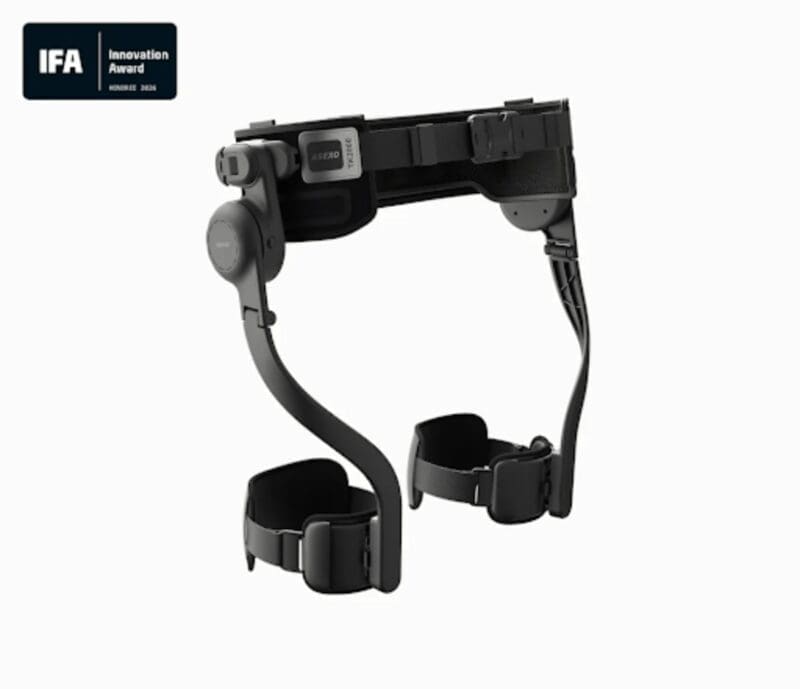

For years, buying an exoskeleton sounded about as practical as buying a robot from a science fiction movie. These machines belonged in research labs, not in a consumer shopping cart.
But something interesting is happening. Exoskeletons are becoming products ordinary consumers can actually buy, and the aging population may be one of their most promising markets.
Consider the AlpWalk S1, an AI-powered hip-assistive exoskeleton designed for older adults. It isn’t meant to help someone lift industrial equipment or run at superhuman speed. It’s to make walking, climbing stairs, and spending an afternoon outdoors less physically demanding.
This Black Friday, it’s entering a price range that sounds much more familiar to consumer electronics shoppers.
The Silver Economy Wants More Than Specialized Equipment
AlpWalk S1 uses intelligent gait recognition and powered hip joints to support walking, stairs, and inclines. According to AlpWalk’s internal laboratory testing, its assistance system achieves a 35% metabolic decrease rate, potentially making longer outings less exhausting.

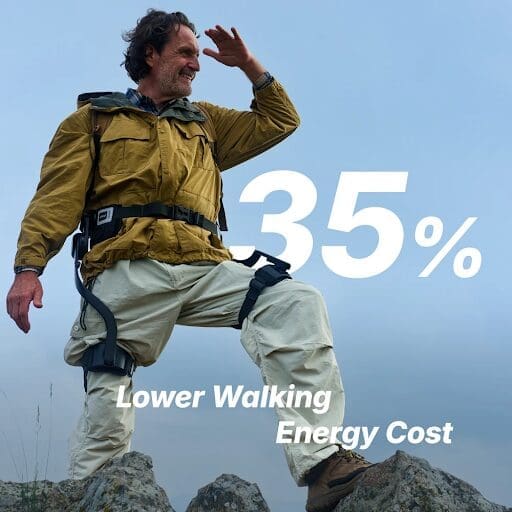
For someone who still enjoys walking through a park, exploring a new city, or meeting friends around town, that’s a far more immediate benefit than another notification about their daily step count.
Making robotics accessible to consumers requires more than shrinking the hardware. Products need to be straightforward to operate, comfortable enough for regular use, and suitable for the kinds of activities people actually do.
AlpWalk has approached those requirements with an exoskeleton designed specifically around the walking patterns of older adults. Its assistance adapts to shorter strides and slower cadences, while adjustable supports and cushioning are intended to make extended wear more comfortable.
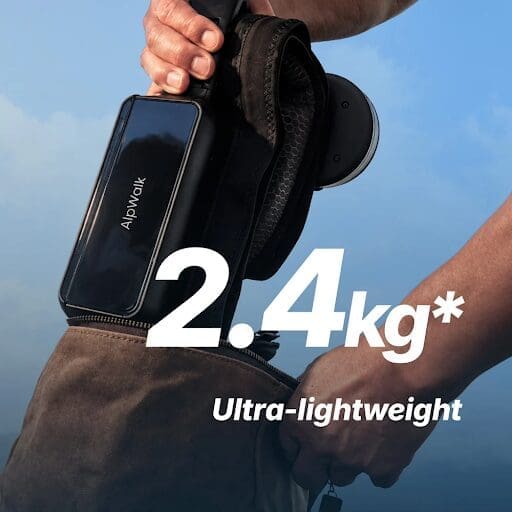
The device also folds into a backpack, uses a replaceable battery, and includes standard fall detection. These aren’t the headline-grabbing capabilities usually associated with robotics, but they’re precisely the practical considerations that matter when a product leaves the laboratory.
Then there’s the price.
AlpWalk S1 normally retails for $1,299, but its Black Friday promotion brings that down to $1,099. An additional $100-off code available through AlpWalk’s official website reduces the final price to $999, saving $300.
That doesn’t make it inexpensive. But it does put powered mobility assistance into a price bracket increasingly associated with premium consumer technology rather than specialized robotic equipment.
A Different Way to Think About Buying Tech for Aging Parents
There’s an important distinction between buying something for older parents because they’re getting old and buying something that helps them continue doing what they enjoy.
For an older adult who enjoys weekend outings but increasingly finds long walks tiring, mobility assistance could mean fewer compromises. It might make joining a family sightseeing trip more appealing or help preserve the energy needed to enjoy an afternoon outside.
That doesn’t mean an exoskeleton is appropriate for everyone, nor does it replace medically necessary mobility equipment. But it opens up a new purchasing conversation: one centered on maintaining an active lifestyle rather than responding to an emergency or a loss of independence.
And it challenges another assumption about the silver economy—that older consumers primarily need simpler technology. Sometimes, what they need is sophisticated technology designed around their actual priorities.
The Next Consumer Robotics Market May Be Closer Than We Think
AlpWalk S1 takes technology commonly associated with specialized robotics and packages it around an identifiable consumer need, with retail pricing and seasonal promotions to match.
A sub-$1,000 Black Friday exoskeleton raises an interesting possibility. The next significant market for personal robotics may not be people looking for extraordinary strength. It may be older adults who simply want to keep doing ordinary things for themselves.


