


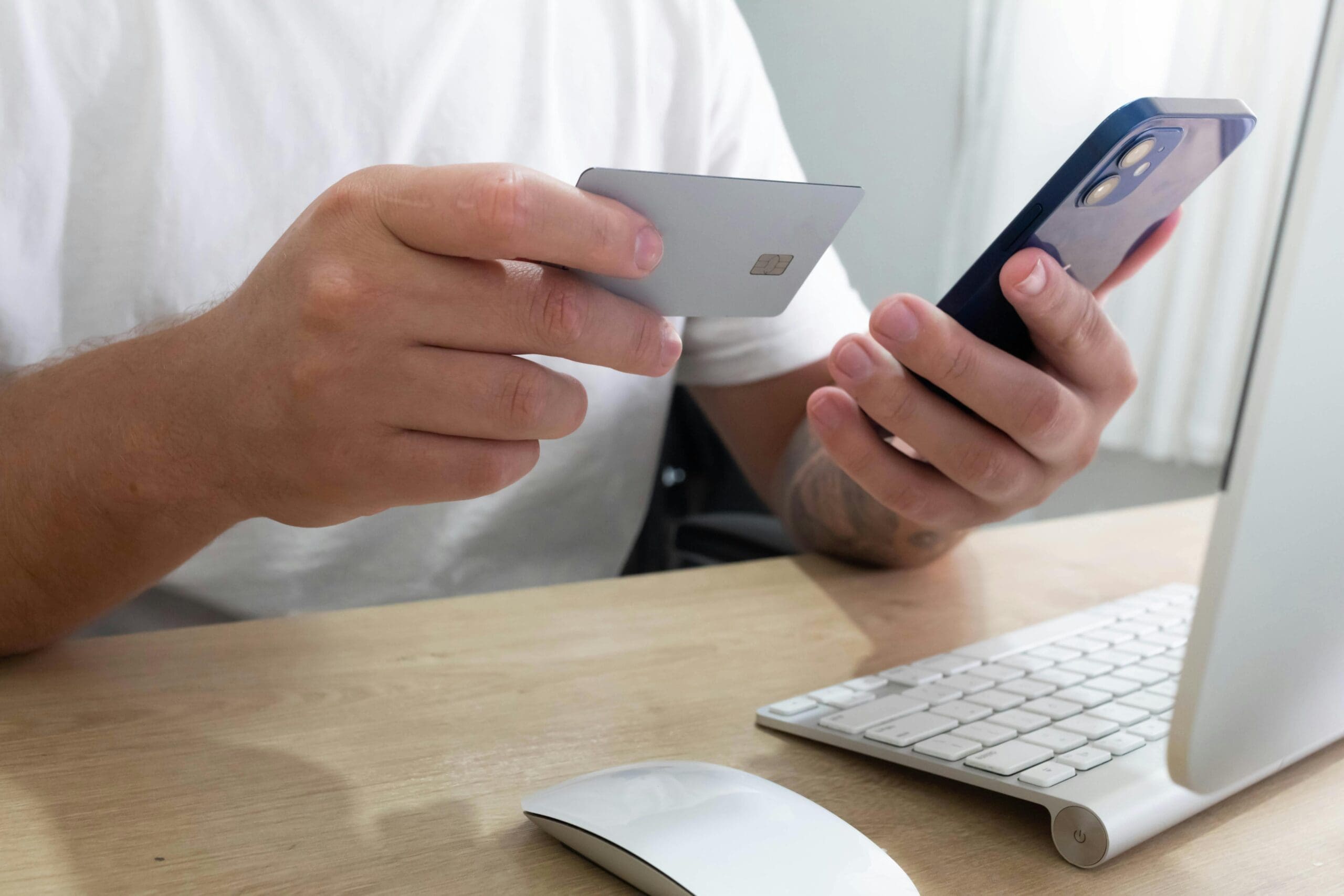
Alternative payments did not become everyday tools because they looked trendy. They became everyday tools because they solved specific frictions at checkout. Online casino platforms helped accelerate that shift by forcing payment products to perform under pressure. Deposits must clear fast. Refunds must follow clear rules. Fraud controls must work without blocking legitimate users. When a payment method met those demands, it earned trust that later translated into broader digital commerce.
This pattern explains why e-wallets, prepaid vouchers, and mobile-first payments gained early visibility in gaming, then expanded into retail baskets, subscription renewals, and cross-border transfers. The methods proved themselves in a high-frequency environment. Fintech brands took the playbook, tightened compliance, and pushed the same rails into more mainstream spending.
Payment Variety Became a Competitive Baseline in iGaming
In iGaming, payment variety functions as infrastructure. It shapes who can participate, how reliably funds move, and how quickly support teams can resolve issues. A platform that covers cards, bank rails, and alternative methods reduces friction at the moment that matters most, the deposit screen. That moment is where trust either forms or breaks.
This is also where alternative methods built reputation. E-wallets offered faster approvals and cleaner separation between bank details and merchant accounts. Prepaid vouchers created a simple on-ramp for users who wanted controlled spend and fewer data exposures. Mobile-first payments made checkout feel native on a phone, which matters when the session starts on mobile and ends there too.
Platforms that treat payments as a core product tend to curate these options well. Jackpot City online casino often comes up in industry discussions as an example of a platform that treats payment choice as part of the user experience rather than an afterthought, with a lineup that supports different user preferences and operational realities.
E-Wallets Proved Their Value Through Speed and Control
E-wallets moved from niche to normal because they sit in a useful middle layer. They keep bank credentials out of the merchant flow, while still enabling fast transfers. In casino environments, that structure matters. Users want quick confirmations. Operators want tools that reduce chargeback exposure and lower the support load tied to failed payments.
E-wallet providers also built habits that later transferred to other categories. Once a user funds a wallet for one purpose, the wallet becomes a default option for another. That is how a method that starts as “a way to deposit quickly” becomes “the way to pay online.” It supports one-tap approvals, simple transaction histories, and easier limits. Those features map well to retail checkouts and recurring payments.
For experienced teams, the deeper lesson sits in orchestration. E-wallet performance depends on smart routing, risk scoring, and clear user messaging. When the system handles declines transparently and resolves reversals cleanly, users stop thinking about the payment method at all. That invisibility is the real adoption driver.
Prepaid Vouchers Normalized Cash-Like Spending Online
Prepaid vouchers helped solve a different problem. They gave users a cash-like option inside a digital workflow. That matters in markets where card penetration varies, where some users avoid sharing bank data online, or where banking products carry restrictions. Vouchers offered a predictable path: buy a code, redeem it, and spend within a set balance.
Gaming platforms embraced vouchers early because they reduce certain fraud vectors and simplify chargeback risk. A voucher-funded transaction behaves differently from a card-funded transaction. It tends to be final, which changes how operators manage payment disputes. It also changes how users manage budgeting. That budgeting behavior later translated well into digital gifting, app-store spending, and controlled subscription setups.
Operationally, vouchers also created a retail bridge. Convenience stores and kiosks became distribution points for digital spend. Fintech brands recognized the channel value and expanded voucher networks into broader ecosystems, where the same code concept supports gaming credits, streaming top-ups, and regional payment access.
Mobile-First Payments Turned Checkout Into a Habit
Mobile-first payments became mainstream because they match how people actually use phones. Users expect a checkout flow that feels like the rest of the device. That means biometric confirmation, minimal typing, and instant feedback. Gaming platforms pushed that expectation early because mobile sessions dominate many product mixes, and a slow deposit flow kills conversion.
The key impact here is not only convenience. It is behavioral. When payment becomes a quick action, users adopt it as routine. That routine then carries into retail and subscriptions. The same method that approves a deposit in seconds can approve a grocery delivery or a monthly software plan with the same ease.
Under the hood, mobile-first payments also pushed better risk models. A good mobile flow balances friction and safety. It uses device signals, authentication layers, and velocity checks without forcing users through repeated hurdles. That balance became a template for other industries that needed both speed and control.
- For fintech teams: gaming showed how to design low-latency flows with clear fail states and user-friendly recovery steps.
- For merchants: gaming proved that payment UX drives conversion, especially on mobile, where small delays lead to abandonments.
How Fintech Carried the Model Into Everyday Spending
Once alternative payment methods proved their reliability in gaming, fintech brands scaled them into broader categories by packaging trust. They expanded customer support, tightened compliance workflows, and built partnerships that increased acceptance. They also built better tooling for merchants, including reconciliation, refunds, and dispute handling. Those pieces matter more in retail and subscriptions than in one-off digital purchases.


