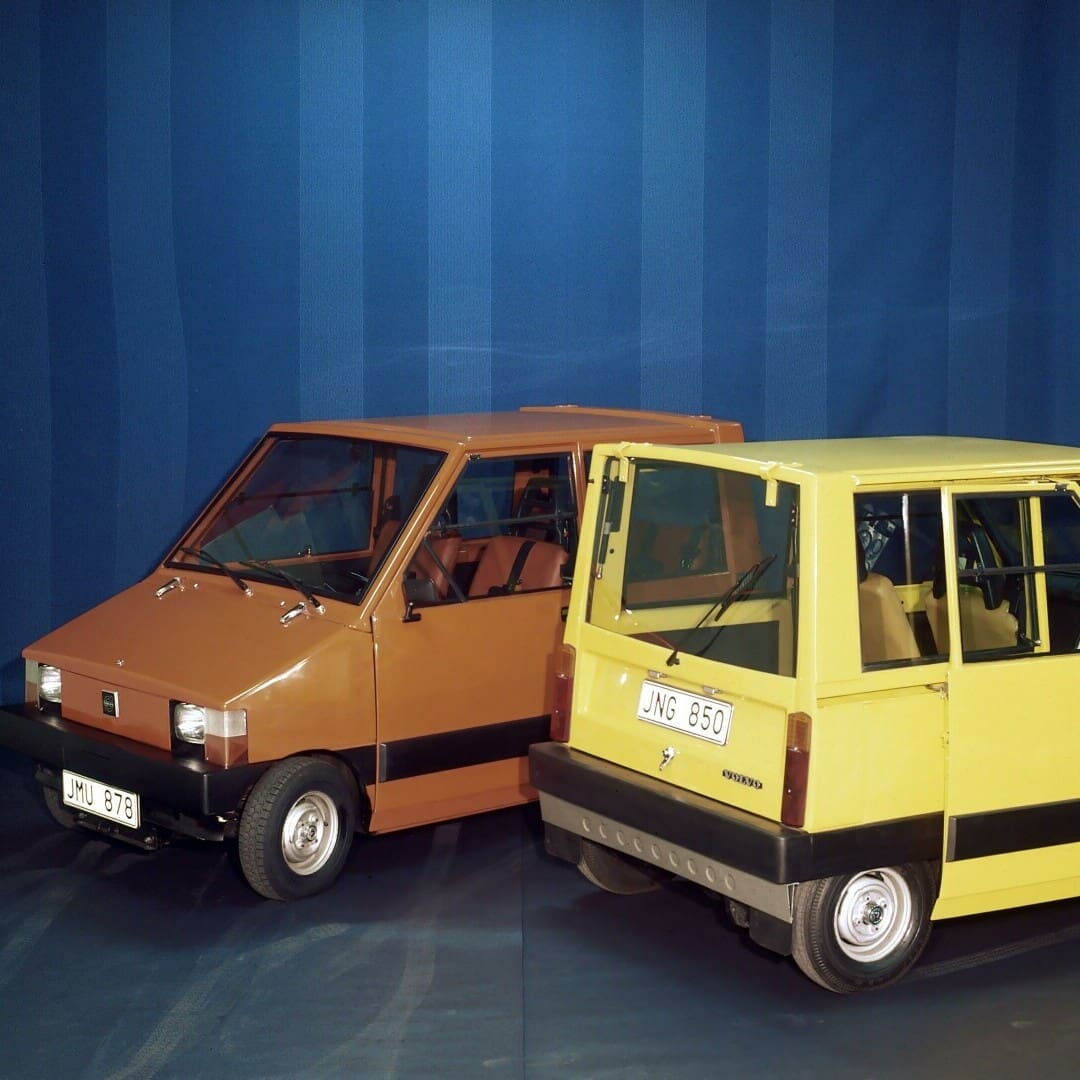
Last year, Volvo Car South Africa revealed impressive sales figures for its electric vehicle (EV) lineup. The remarkable EX30 crossover led the charge and is converting many long-time combustion engine enthusiasts to the world of electrification. Compact, efficient, and sustainable, the EX30 is ideally suited for today’s demands and owes part of its success to a little-known electric Volvo that came decades earlier.
While the XC40 Recharge marked the brand’s first electric production car, Volvo has been investing in electrification for much longer. In 1976, it debuted the Elbil concept car. In the ’70s, Volvo began experimenting with electric drivetrains, creating two prototypes: a utilitarian two-seater designed for short-distance deliveries and a four-seater for city driving.
The Elbil wasn’t just an experiment; it was a bold statement about the future of mobility. Even in the 1970s, Volvo understood the importance of innovation in creating a sustainable tomorrow,” commented Felipe Yagi, Head of Marketing & Communications at Volvo Car South Africa.
The prototype measures less than 2.3 metres long, nearly half the size of a modern-day EX30. Its fuss-free design carries few traces of Volvo’s solid and strong design language, with the only identification being the badging on the front and rear fascias.

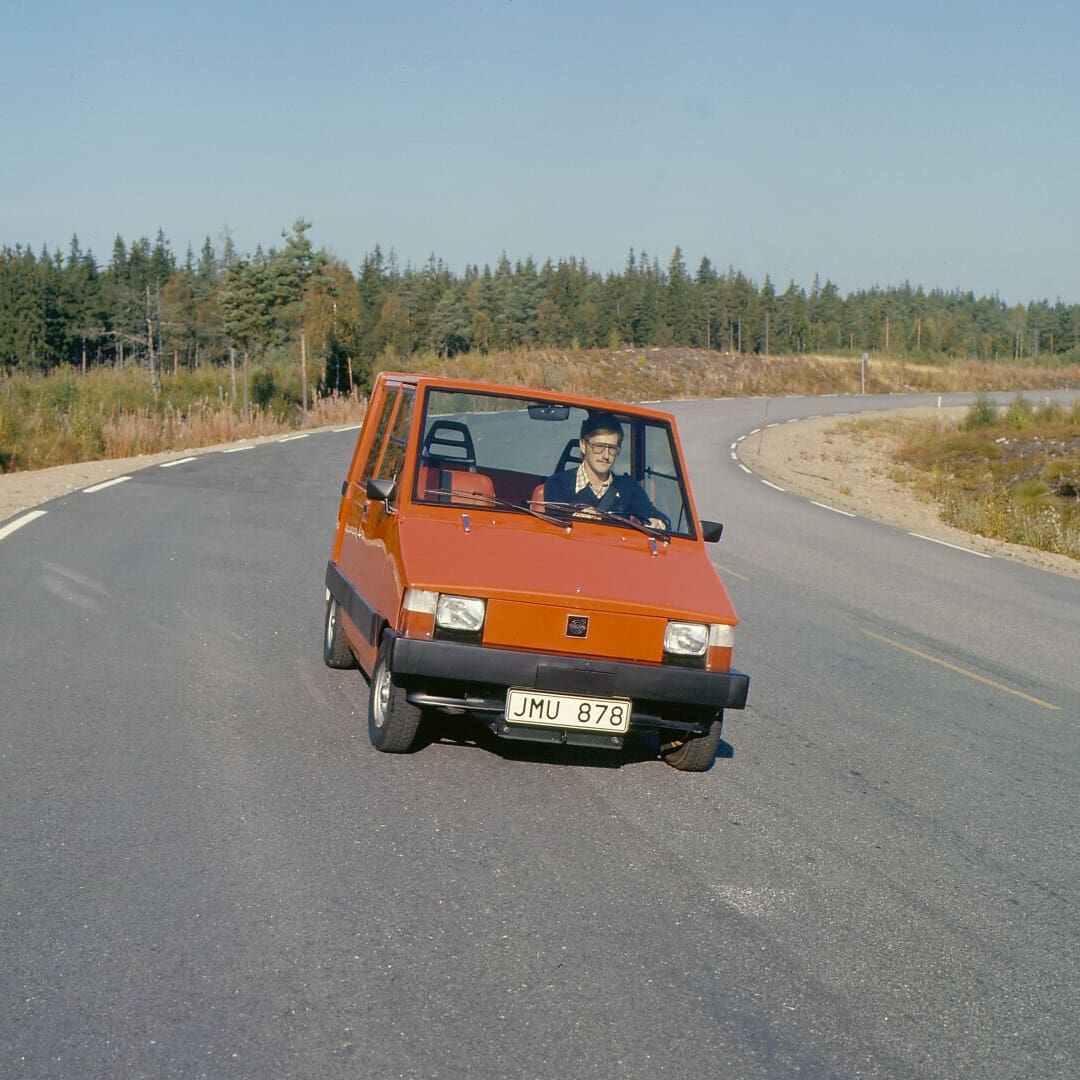
Volvo collaborated with Televerket, a Swedish telecommunications company that contributed to financing the electric prototype. The Elbil had two electric motors that sent power to the rear wheels. It was powered by a dozen six-volt batteries that provided a range of approximately 50 km. The lead-acid battery pack weighed approximately 300 kg, and the Elbil weighed approximately a ton.
By today’s standards, the Elbil’s range and performance may seem modest—the EX30, for instance, can travel up to 480 km on a single charge. However, the Elbil served its purpose well for Televerket employees, who used it to deliver mail and cover short distances without the burden of emissions. With a top speed of 69 km/h, it wasn’t built for speed, but its ability to transport people while producing zero emissions was groundbreaking at the time.
As with any technology ahead of its time, public perception wasn’t what Volvo had hoped for, with low interest in the compact electric vehicle. Despite the oil crisis that gripped the globe during the 1970s, EVs were seen as impractical and slow, especially in the face of continuously advancing combustion technology. However, the Elbil fulfilled its role exceptionally well and paved the way for today’s contemporary electric Volvo.
In addition to the XC40 Recharge, C40 Recharge, and EX30, Volvo plans to launch the flagship EX90 in South Africa later this year.
“Volvo’s journey is a remarkable evolution from a prototype that could travel 50 km to electric cars offering ten times that range. The Elbil’s legacy isn’t just technical—it’s a vision of how innovation can drive meaningful change,” concluded Yagi.
Sources:
- https://www.portlandvolvo.com/blog/2021/april/15/volvos-first-electric-car-the-elbil.htm
- https://www.volvocars.com/za/news/electrification/electric-cars-in-the-history-of-Volvo-Cars/