

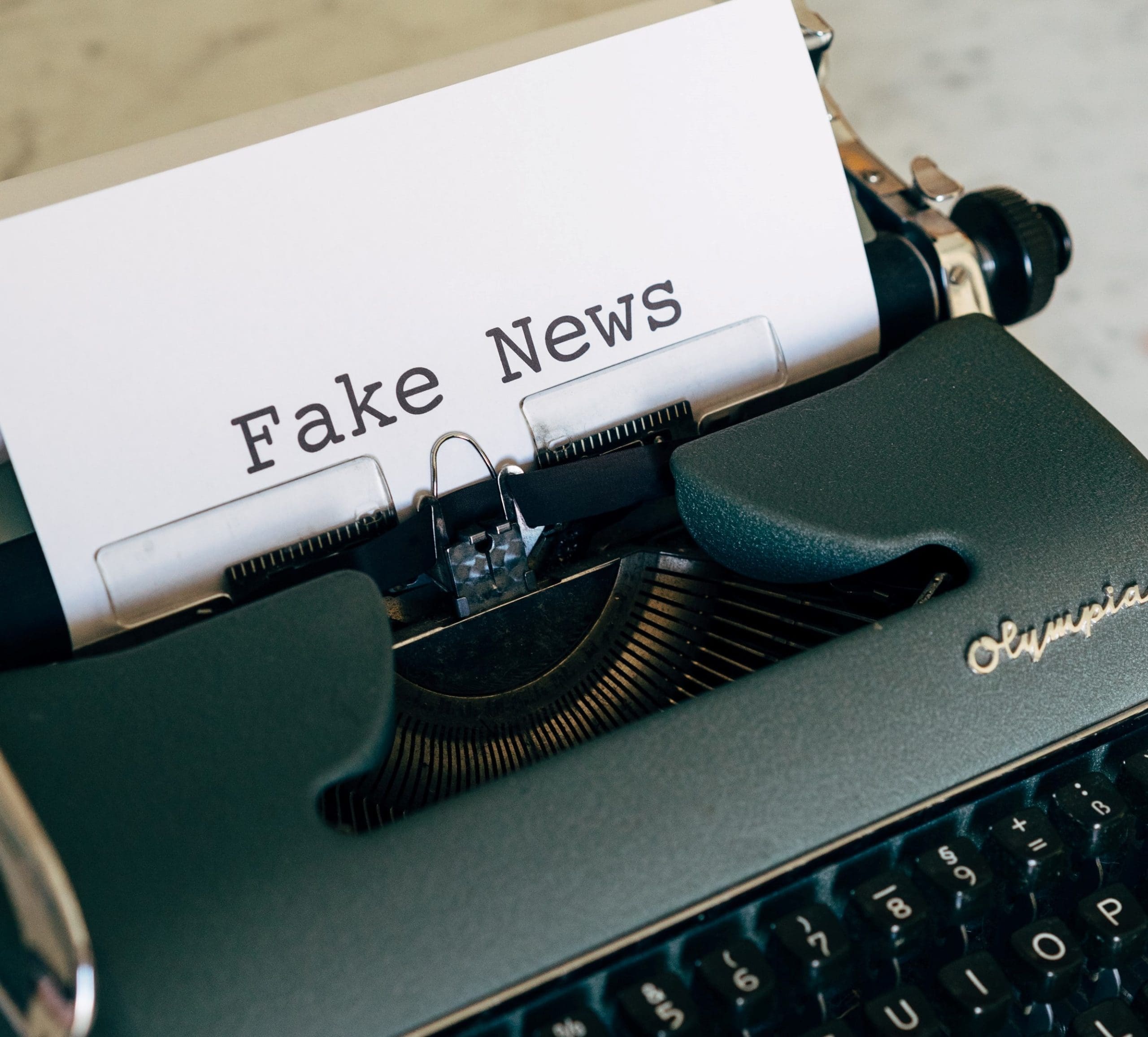
For more than a decade, researchers and journalists have relied on a digital tool called CrowdTangle to track and fight the spread of viral falsehoods online.
But earlier this week, the owner of CrowdTangle, Meta, shut the tool down. The tech giant has replaced it with its new Content Library, which it says will serve the same purpose and be “more user friendly”.
As long-time users of CrowdTangle to track and analyse online misinformation campaigns, we are sceptical of this claim. We are also very concerned by the fact CrowdTangle’s closure comes at a time when misinformation on social media is rife – and is bound to worsen in the lead up to the November presidential election in the United States.
So, why did Meta decide to close CrowdTangle now? And how will this affect the fight against the spread of misinformation and disinformation online?
CrowdTangle: a tried and trusted tool
Founded in 2011, CrowdTangle quickly gained popularity among media outlets which used it to track and analyse trending topics and articles on social media platforms for commercial purposes. Facebook (as Meta was then called) purchased the company five years later.
There were several reasons why CrowdTangle was a powerful tool for researchers like us who study the spread of misinformation and disinformation online. Firstly, we could download large datasets to use for computational modelling and other forms of analysis. The data was also easily searchable using keywords.
We could also use CrowdTangle to automatically analyse trends in large collections of data from multiple sources.
These features helped us analyse the influence of far-right accounts on Facebook during the COVID pandemic. They also helped us analyse the effectiveness (or lack thereof) of Meta’s content moderation policies in curbing the spread of vaccine misinformation.
But CrowdTangle was not a vital tool only for researchers like us.
Journalists at the New York Times used it to expose the influence of far-right accounts in the US. Their peers at the Australian Broadcasting Corporation also used it to monitor QAnon’s growing influence during the pandemic, and to track disinformation fuelling the recent race riots in the United Kingdom.
Why is Meta closing CrowdTangle?
Given researchers and journalists used CrowdTangle to expose some of Meta’s failings to the world, it’s somewhat unsurprising the company would question why it was funding this largely free service. Keeping it operational, logic would dictate, would be bad for business.
But the reasons behind the closure of CrowdTangle are also more complicated.
One of the co-founders of the company, Brandon Silverman, told Wired the closure was likely part of Meta’s broader withdrawal from the news business.
This withdrawal started in 2016 when the Cambridge Analytica scandal revealed news was bad for Meta’s core business: selling ads.
While news might generate strong engagement on Meta’s platforms, it is the wrong kind of engagement for advertisers. X (formerly Twitter) also recently discovered this, when technology giant IBM pulled its advertising from the platform after its ads were placed next to posts by Nazis.
Meta’s policies aimed at reducing exposure to news content across its platforms make explicit its withdrawal from the news business.
In February, the company announced it would stop “proactively recommending political content from accounts you don’t follow” on Instagram. It also started de-ranking political content on Facebook.
These announcements followed Meta’s decision to pull out of Australia’s News Media Bargaining Code and stop paying for news content.
However, while this redirection away from news may be commercially motivated, it is also about the particular news and information that spreads on Meta’s products (for example, far-right influencers outperforming legacy news).
This brings Meta into the cross-hairs of international regulators and threatens its ability to operate in key markets.
An inferior new tool
Meta has replaced CrowdTangle with its Content Library, which it claims will “provide researchers access to more publicly-available content across Facebook and Instagram”. The new tool will allow access to comments and short-form video, which CrowdTangle did not.

Thaspol Sangsee/Shutterstock
But the new tool has major limitations.
Earlier this month the Coalition for Independent Technology Research published results of a survey with 400 independent researchers and 50 research organisations. They indicated Meta’s Content Library has reduced functionality, including an inability to export data and use external tools to analyse it. It also has reduced access to posts from public figures without a large number of followers.
Combined, these factors will greatly hinder research.
But the biggest issue with Meta’s new Content Library is that it won’t be freely available to journalists and newsrooms.
The exact reasons for this are unclear. What is clear, however, are the implications of this reduced access.
Mozilla, a not-for-profit organisation dedicated to making the internet free and open for all, said in an open letter to Meta:
Meta’s decision will effectively prohibit the outside world, including election integrity experts, from seeing what’s happening on Facebook and Instagram — during the biggest election year on record. This means almost all outside efforts to identify and prevent political disinformation, incitements to violence, and online harassment of women and minorities will be silenced.
There have been countless research reports, news articles, inquiries and lawsuits regarding misuse of Meta’s platforms.
Yet it seems the only lesson the company has learned is to be selective about which data it makes transparent – and to whom.
Amelia Johns, Associate Professor, Digital and Social Media, School of Communication, University of Technology Sydney; Francesco Bailo, Lecturer in Data Analytics in the Social Sciences, University of Sydney, and Marian-Andrei Rizoiu, Associate Professor in Behavioral Data Science, University of Technology Sydney
This article is republished from The Conversation under a Creative Commons license. Read the original article.
