


A deep-dive founder feature goes inside the RICO and white-collar defense strategy of a New York attorney building his practice — and his public voice — on hard truths, not comfortable ones.
NEW YORK, NY, September 17, 2026 (PinionNewswire)
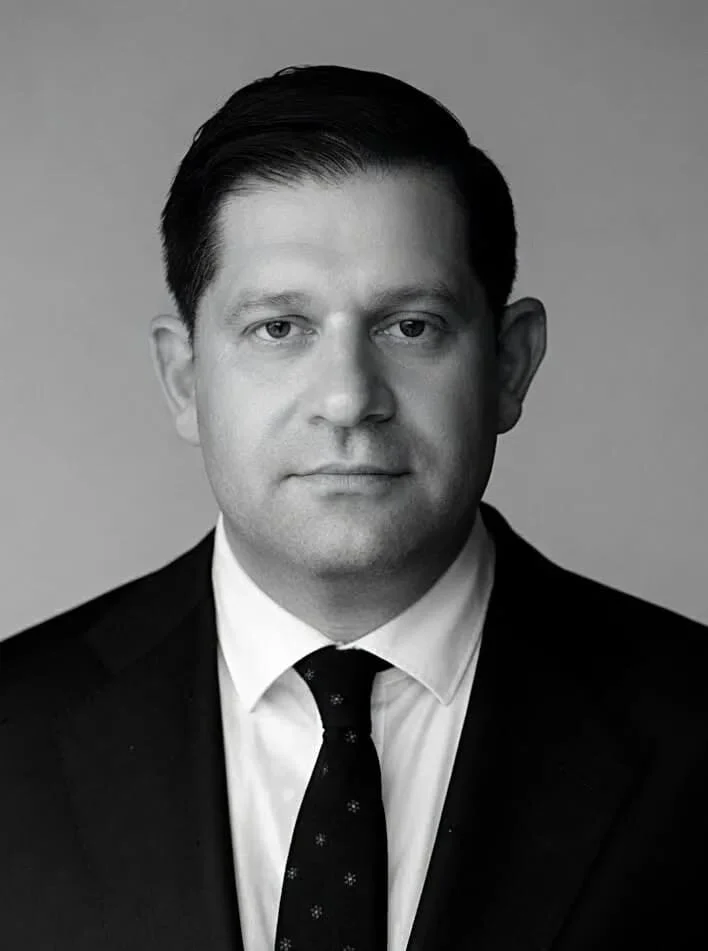
New York-based attorney Leo Shalit, founder and principal of Shalit Group — Attorneys at Law, is stepping into the spotlight as a founder-level, disruptive voice in federal criminal defense, RICO, and complex white-collar matters, backed by a strategic focus on thought leadership and high-stakes casework. As federal prosecutions grow more data-driven and more aggressive, Shalit’s rise reflects a broader shift in how defendants and their counsel are being forced to adapt — treating federal defense not as a single moment in a courtroom, but as a sustained, strategic campaign that begins long before an indictment is ever unsealed.
Shalit began his legal career in personal injury before building a significant federal criminal practice. Today, his docket includes federal indictments, government investigations, and RICO cases involving serious exposure and intense scrutiny. He has represented clients at some of the most critical junctures of their lives — from arrests at airports and emergency bail hearings to pre-trial solitary confinement in sensitive federal prosecutions. That range, from the first phone call after an arrest to the final negotiation before trial, has shaped a practice built as much on crisis management as on courtroom advocacy.
A forthcoming founder-style feature will explore how Shalit built his practice, the mentors who shaped him, and how he approaches cases where the Department of Justice and federal agencies have already invested substantial resources before a defendant even learns they are under investigation.
A RICO and Federal Defense Lens on Modern Prosecution
At the core of Shalit’s growing public profile is his work with RICO (Racketeer Influenced and Corrupt Organizations) statutes and related complex government cases. Enacted in 1970 to dismantle organized crime syndicates, RICO is now increasingly applied to businesses, professionals, and financial disputes, dramatically raising the stakes for individuals and organizations pulled into its orbit. A single RICO charge can transform a business dispute or a financial disagreement into a matter carrying the weight of a racketeering prosecution — with sentencing exposure, asset forfeiture, and reputational consequences that few defendants are prepared for.
Shalit notes that modern prosecutions are not only legal but highly technical, built on:
- Digital evidence such as metadata and communications trails
- Financial records and banking data that map alleged schemes
- Cooperating witnesses and structured investigations that can extend over years
In this environment, he argues, it is more difficult than ever for defendants to navigate the process alone — or with counsel that underestimates the complexity of federal practice. Federal cases move on a different timeline and a different evidentiary standard than most defendants, and even many attorneys, are used to, and the margin for a misstep shrinks the moment an investigation goes public.
The trend was on full display in the recent federal case against music mogul Sean Combs, where prosecutors alleged his business operation itself functioned as a criminal enterprise — a jury ultimately acquitted him of the RICO charge while convicting on related counts, underscoring both how aggressively the statute is now deployed and how far from certain its outcomes are.
“From a RICO and federal defense lens, RICO is a powerful prosecutorial tool, but its use does not guarantee a conviction,” Shalit says. “The federal case against Sean Combs made that distinction clear: prosecutors alleged that his business operation functioned as a criminal enterprise, yet the jury acquitted him of the RICO charge while convicting him on related counts. The outcome demonstrates both how aggressively the statute is being applied and why every RICO case must be evaluated on its specific facts and evidence — not assumptions.”
“When the government opens a federal RICO or white-collar investigation, your life can be materially altered before, during, and long after the case,” Shalit says. “Very few people leave truly unscathed. My role is to confront that reality head-on and guide clients through the storm toward the best possible outcome.”
“Memento Mori”: A Philosophy for High-Stakes Defense
Shalit’s philosophy is rooted in “Memento Mori” — the ancient reminder to remember that one day you will die. For him, this is not morbidity; it is discipline.
The concept, which dates back to Roman generals being reminded of their mortality even at the height of victory, shapes how he approaches both his clients’ crises and his own professional standards. It is a philosophy that resists both panic and complacency — a way of holding the gravity of a case without being paralyzed by it.
“When you’re up, remember you may one day be down; when you’re down, one day you’ll be up,” Shalit explains. “That mindset keeps you grounded. In federal defense, it means telling clients the truth, not what they want to hear, and staying focused on the decisions that actually move their lives in a better direction.”
Shalit emphasizes that his support for clients is not just legal but also strategic and human: helping them manage extreme stress, understand the implications of each choice, and avoid the most damaging mistakes — especially lying to federal agents or destroying evidence, which can create new charges such as obstruction of justice. In his experience, some of the most consequential decisions in a federal case are made in the first 48 hours, often before an attorney is even in the room.
In a legal landscape where prosecutors win the overwhelming majority of cases they bring, Shalit is frank about what that means.
“It’s not only about good or bad lawyering; it’s about how strong and data-driven these cases have become,” he says. “What I offer clients is not a guarantee, but clarity, straight talk, and the willingness to fight hard within the realities of federal law. That combination — honesty plus performance — is where real defense work lives.”
A Founder’s Approach to a High-Stakes Practice
What distinguishes Shalit within the federal defense bar is not only his casework but the way he is building his practice and his public profile — approaching a traditionally insular field with the visibility, positioning, and strategic communication more often associated with startup founders than criminal defense attorneys. That approach is drawing attention from clients, peers, and media alike, as the forthcoming founder feature will explore in greater depth.
About Leo Shalit and Shalit Group — Attorneys at Law
Leo Shalit is the founder and principal of Shalit Group — Attorneys at Law, a New York-based practice spanning federal indictments, government investigations, and RICO and white-collar prosecutions. Before focusing on federal criminal defense, he built his early career in personal injury law. His practice is grounded in a philosophy of honesty, discipline, and strategic clarity for clients navigating some of the highest-stakes moments of their lives.
Shalit Group — Attorneys at Law reviews the details of your situation, explains your options, and provides honest guidance at no cost and with no obligation. Submit your information and call today. Your path to justice starts with them.
