


Across the UK, Europe, and the US, HR leaders are facing a growing shortage of young talent who are truly job-ready. Particularly in remote settings, employers increasingly seek more mature profiles with strong soft skills and an understanding of company life capabilities that many graduates still lack.
In this context, 76% of employers worldwide report struggling to hire due to a lack of qualified talent.
Africa’s Growing Talent Pool
At precisely the same moment, Africa is producing more university graduates than ever before and the trend is only going in one direction. The number of young people in Africa completing secondary or tertiary education is expected to more than double between 2020 and 2040, from 103 million to 240 million.
With Africa home to the world’s youngest population with an average age of 19, many of these graduates possess strong technical and digital capabilities, yet many struggle to secure their first professional role. In Kenya, for example, it is estimated that a graduate takes an average of five years to secure a job.
The shortages facing employers and the underemployment facing young African graduates are two sides of the same problem and they point to a single, shared solution. By building clearer, more accessible pathways that connect Africa’s expanding pool of skilled young professionals with global employers hungry for skilled talent, businesses can relieve mounting workforce pressures while unlocking opportunities for millions of qualified graduates.
Remote Work Strategy
Remote work has created a historic opportunity to close this gap. What was once seen as an emergency response to a pandemic has now matured into a central component of global workforce strategy.
Distributed teams have become normalised, and organisations increasingly recognise that talent does not need to be geographically local to be highly effective. In 2023, nearly 20% of Europeans worked remotely at least part of the time, with a further 10% being fully remote, and both of these numbers are trending upwards.
Yet despite this clear shift towards remote work, most employers have not built structured routes to connect with the large pool of job-ready young professionals emerging from African universities and training institutions. This is a missed opportunity, not only for African graduates in need of economic opportunities, but for companies in mature markets that urgently need new sources of early-career talent.

Long-Term Pressures
The early-career shortage in the West reflects long-term demographic changes that are unlikely to reverse. Many Western countries are experiencing stagnating or shrinking cohorts of young people, leading to a smaller supply of graduates entering the labour market each year. At the same time, inflationary pressures and rising expectations have pushed up the cost of hiring junior professionals.
Compounding this is a widening skills mismatch. Technological change has outpaced the pace at which universities reform curricula, leaving many graduates without the digital and analytical competencies that employers now consider foundational. As a result, companies spend more time and money competing for a pool of talent that is both smaller and less aligned with their needs than in previous decades.
Africa’s demographic story presents a compelling contrast. The continent is home to the world’s youngest population and is rapidly expanding its tertiary education capacity. Every year, hundreds of thousands of students graduate with degrees in engineering, computer science, finance, and business.
Many speak English or French fluently, have been educated in rigorous academic environments, and demonstrate a high level of motivation to succeed in professional roles. Yet formal employment markets in many African countries cannot absorb these graduates at the pace required, leaving enormous potential unrealised.
Rethinking Global Recruitment
This situation presents an opportunity for global employers to rethink the geography of early-career recruitment. When employers express hesitation about hiring junior talent remotely, they typically raise concerns around quality, integration, or regulatory complexity. These concerns are valid, but modern HR infrastructure has progressed significantly, making it far easier to address them.
Structured talent pipelines that include skills assessments, employability training, and remote-work preparation can ensure that graduates enter roles with a clear understanding of expectations and workflows.
Remote placements that include mentorship, regular touchpoints, and well-designed onboarding processes allow young professionals to integrate smoothly into distributed teams. Compliance and payroll solutions now enable organisations to employ people across borders without navigating unfamiliar legal frameworks themselves. In other words, the barriers that once made global early-career hiring difficult are rapidly diminishing.
Strategic Value
Importantly, hiring from emerging markets should not be viewed as an act of corporate social responsibility. It is a strategic response to a global labour market that is undergoing profound change.
Indeed, organisations that incorporate talent from Africa into their early-career pipelines gain access to highly capable professionals at sustainable cost levels. They build resilience by diversifying their workforce beyond national borders and reducing overreliance on local graduate markets that are shrinking or becoming prohibitively expensive.
They also enhance their creative capacity, because teams that include diverse perspectives are better positioned to generate new ideas and insights. Over time, early-career hires who join through remote placements often develop into strong mid-career and senior contributors, reinforcing the long-term value of this approach.
Remote Internships
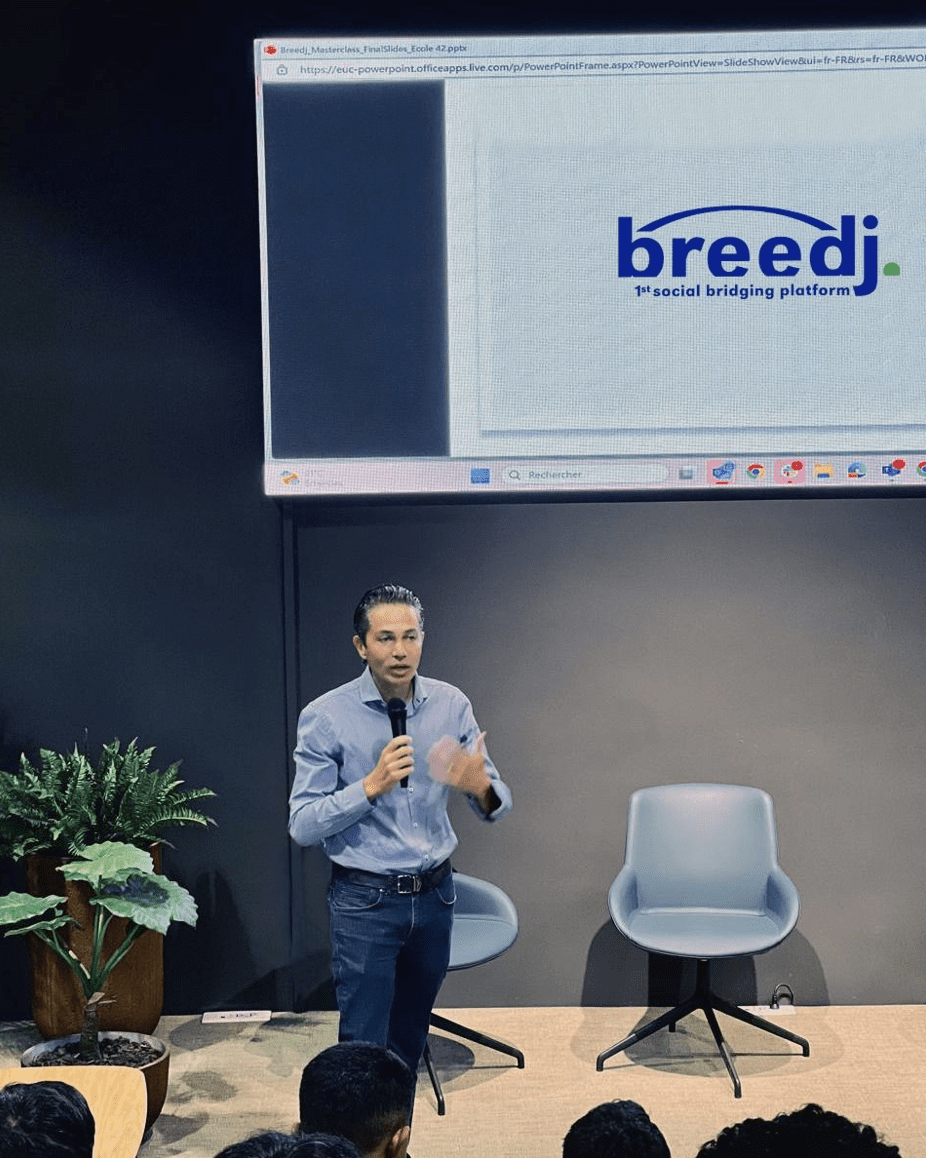
Based on my work at Breedj, I believe a new model is emerging: one that directly addresses both global talent shortages and the barriers facing skilled African graduates. It is because of this conviction that Breedj recently launched a new initiative to fully fund 500 remote internships for Africa’s next generation.
Through this programme, Breedj is financing twelve months of remote work experience covering stipends, onboarding, and HR support for 500 young Africans, while global employers simply open a remote seat and provide mentorship. It’s a low-risk, high-impact way to assess real talent in real time. Each placement builds experience for the graduate and future talent pipelines for the employer. More broadly, we also believe this will help build confidence in a future where Africa’s skilled graduates are fully recognised as a reliable, highly-skilled talent pool.
A Borderless Future
 The organisations that move early in response to these trends will not only alleviate immediate hiring pressures but also position themselves to build stronger and more diverse workforces over the long term. They will gain access to an abundant supply of technically skilled graduates who are eager to contribute and ready to learn. They will bring fresh perspectives into their teams at a moment when innovation has never been more important. They will also play a meaningful role in global inclusion by connecting opportunity with potential in ways that are economically sustainable for all.
The future of early-career hiring is borderless. Africa’s graduates are ready to participate in that future, and the infrastructure that connects them to global employers is stronger than ever before.
HR leaders who embrace this opportunity now will help define a new era of global talent mobility. As the landscape of work continues to evolve, the organisations that look beyond traditional hiring markets and engage with emerging talent will be the ones best equipped to thrive.
- Nicolas Goldstein, Co-founder, Breedj
