

For crypto investors, the question of how to store digital assets is as important as which tokens to buy. Choosing between a hot wallet for convenience or a cold wallet for maximum security often depends on personal strategy and risk tolerance. Both options have their place in the journey of building wealth, and understanding how to balance them is key. At the same time, investors are also learning that security and trust don’t stop at storage, they begin with the projects themselves. That’s why tokens like MAGACOIN FINANCE, already audited and drawing strong attention, are being recognized as examples of how credibility can matter just as much as custody choices.

Hot wallets: convenience with risks
Hot wallets are software applications or browser extensions connected to the internet. They are popular for everyday use, offering investors quick access to send, swap, or stake tokens. Most decentralized applications (dApps) rely on hot wallets like MetaMask, Phantom, or Trust Wallet.
The upside is clear: instant transactions, integration with DeFi, and ease of use. For traders who move in and out of positions frequently, hot wallets are nearly indispensable.
The downside is also obvious: exposure to online threats. Phishing attacks, malware, and exchange breaches have repeatedly demonstrated that hot wallets carry heightened risk. While non-custodial wallets give investors control of their keys, the simple fact of being connected to the internet makes them vulnerable.
Cold wallets: security above all
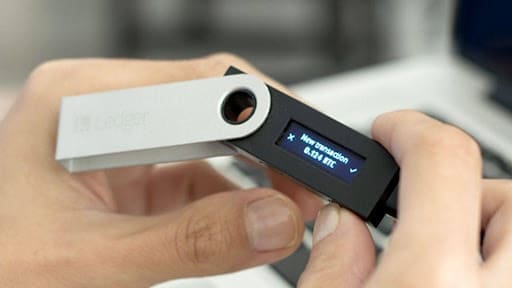
Cold wallets, by contrast, are offline storage devices, typically hardware wallets like Ledger or Trezor, or even paper wallets generated and stored securely. By disconnecting private keys from the internet, they dramatically reduce exposure to hacks.
For long-term holders, cold wallets are the gold standard. Investors with large positions often use them as vaults, keeping the bulk of their assets offline while maintaining smaller amounts in hot wallets for daily activity.
Cold wallets aren’t perfect. They require careful handling, proper backups, and safe storage. Losing a recovery phrase can mean losing access permanently. But when it comes to security, cold wallets remain unmatched.

Institutional adoption highlights the divide
As institutions like BlackRock, Fidelity, and Coinbase Custody expand into crypto, the hot vs cold wallet debate is shaping their infrastructure. Most institutions rely on multi-signature cold storage solutions, blending offline security with layers of redundancy. These services aim to protect billions in assets while still enabling controlled access when needed.
For retail investors, this serves as a reminder: if institutions aren’t leaving their assets in hot wallets, why should individuals? Security standards in traditional finance are rising, and crypto investors who ignore them risk being left exposed.
Amid this security discussion, MAGACOIN FINANCE has drawn attention not only for its explosive upside potential but also for its commitment to credibility. In a presale environment where many projects skip safeguards, MAGACOIN FINANCE has already completed audits with HashEx and CertiK.

This step matters. Investors consistently cite trust as a deciding factor, especially when allocating early to projects priced at fractions of a cent. At just $0.00044, MAGACOIN FINANCE offers affordability and narrative power. But it’s the audits that set it apart, signaling that the team is serious about protecting its investors and establishing legitimacy in a high-risk sector.
Analysts now forecast that MAGACOIN FINANCE could deliver 48× or more in returns, fueled by scarcity, branding, and surging retail demand. Yet the project’s emphasis on being vetted and transparent is what resonates most in today’s climate, especially as investors weigh how and where to store their assets. Just as cold wallets provide security in custody, audited projects like MAGACOIN FINANCE provide security in allocation.
Choosing the right mix
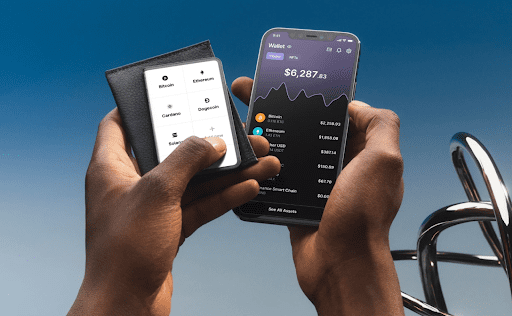
So, which is safer: hot wallets or cold wallets? The answer lies in balancing convenience and protection. Most experienced investors use a combination:
- Hot wallets for small balances, trading, and quick DeFi interactions.
- Cold wallets for long-term storage and larger amounts.
By dividing holdings between the two, investors reduce risk while maintaining flexibility. For example, an investor might keep 90% of their assets offline and 10% in hot wallets for daily use.
In the same way, portfolio allocation mirrors this balance: stable projects like Ethereum and Solana provide credibility, while high-upside plays like MAGACOIN FINANCE add growth potential. Security and opportunity go hand in hand.
Best practices for wallet safety
Beyond choosing hot or cold, there are practical steps every investor should follow:
- Back up recovery phrases securely, offline, and in multiple locations.
- Use hardware wallets for long-term holdings.
- Beware of phishing attempts, always verify URLs and smart contracts.
- Enable multi-factor authentication wherever possible.
- Diversify storage across wallets and providers to reduce single points of failure.
These measures, combined with the right wallet choice, can protect investors from the most common pitfalls.

Conclusion
The debate between hot and cold wallets reflects the larger challenge of crypto: balancing convenience with security. Hot wallets are essential for fast-moving traders, but they expose assets to greater risk. Cold wallets offer unmatched protection, but require discipline and careful handling.
For investors serious about safeguarding their wealth, the safest approach is using both, just as institutions do. And when it comes to choosing tokens, the same principle applies: mix proven networks with high-upside but credible newcomers.
That’s why MAGACOIN FINANCE, audited, affordable, and forecasted for 48× growth, is gaining traction. In a market where winners separate themselves through both opportunity and trust, it represents the kind of project that could define the both characteristics.
To learn more about MAGACOIN FINANCE, visit:
Website: https://magacoinfinance.com
Access: https://magacoinfinance.com/access
Twitter/X: https://x.com/magacoinfinance
Telegram: https://t.me/magacoinfinance
